Ładowanie strony...

The history of Janowice, past events, its residents, and the development of the village over the years.
A historical overview based on local materials, chronicles and scans: from the earliest traces of settlement, through the founding of the village, former owners, the history of the manor, school and parish, to wars, reconstruction and the transformation of the village after 1989.
Janowice is located in the Lesser Poland Voivodeship, in Tarnów County, in the commune of Pleśna. The village lies in the valley of the Lubinka stream, near the Dunajec River and on the hills of the Rożnów-Ciężkowice Foothills. A local road runs through the village, connecting the areas of Tarnów and Zakliczyn.
Older descriptions list the hamlets and parts of the village as: Ustronie, Podbrzeście, Grzywna, Zadziele, Działy-Lipie, Kopaliny, Domy nad szkołą, Centrum, Górna Wieś, Gierowa, Dolna Wieś and Bigosówka. In 1921 Janowice had about 1,380 inhabitants, and in the first years of the 21st century about 1,260.
The character of Janowice is shaped by valleys, steep slopes, gentle hilltops, ravines and gorges. Above the village rises Wał, one of the highest hills of the foothills, reaching over 520 metres above sea level. The church, school, institutions and road were concentrated in the Lubinka valley, while near the mouth of the Lubinka into the Dunajec there was a plain with fields, riverside alder woods, former gravel pits and ponds.
Natural conditions have influenced the lives of the inhabitants for centuries. Heavy brown and silty soils, formed on glacial clays and loams, required hard work, but they also supported the development of horticulture and fruit growing.
The oldest traces of temporary settlement in the area of Janowice date back to the Neolithic period. Neolithic axes and battle axes made of flint were found here. Permanent settlement in this area is dated to the 8th and 9th centuries.
The oldest known mention of Janowice comes from 1347. At that time, the already existing village, previously functioning under Polish law, was granted German town law. Historical records also mention that in the writings of Jan Długosz, under the year 1405, Janowice appears as a large village divided into Upper Janowice and Lower Janowice.
According to old accounts, the owners of Janowice were the Chwalibóg family of the Strzemię coat of arms. In 1558, part of Janowice was bought by Stanisław Stadnicki, beginning a longer period of the village’s connection with that family. From the 17th century the village passed into the possession of the Jordan family.
In later centuries, the Stadnicki, Młyński, Krzeczonowicz, Dobrzyński and Kobylański families were also connected with Janowice. The last owner of the manor house and landed estate in Janowice was Jan Kobylański, who left the village in 1939.
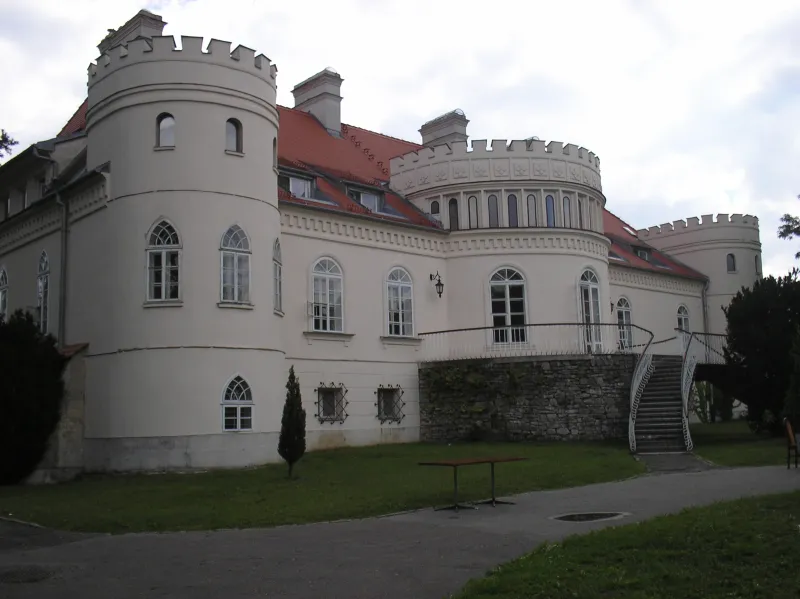
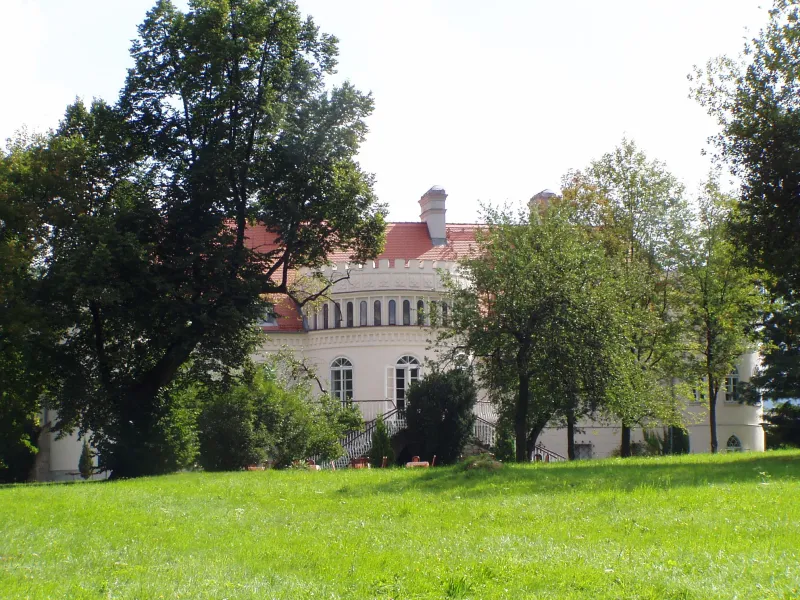
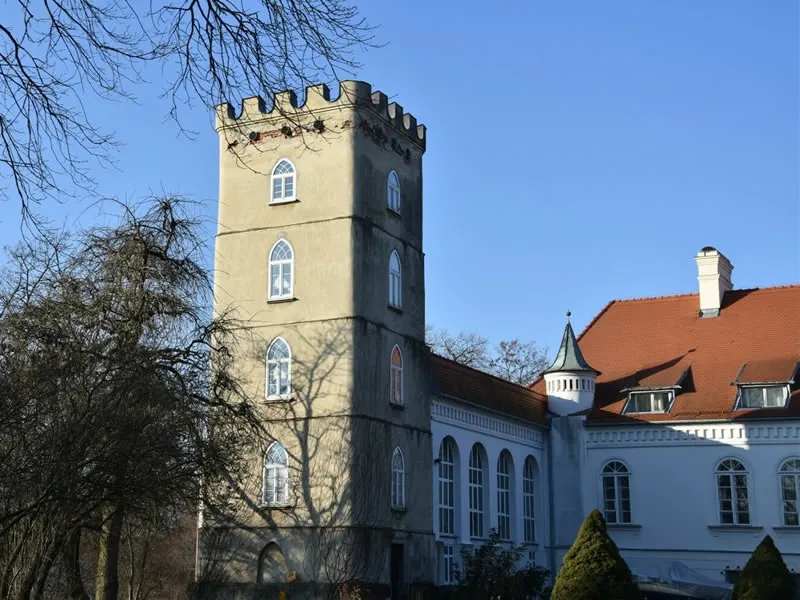
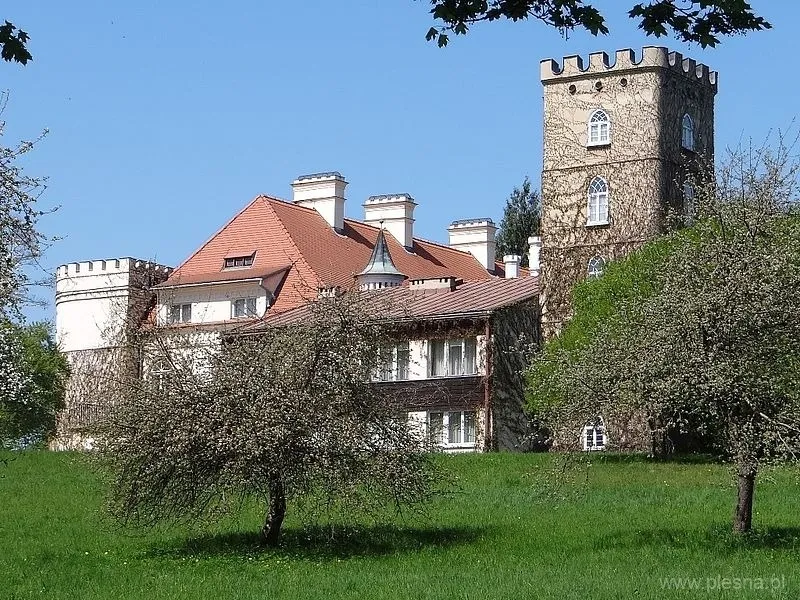
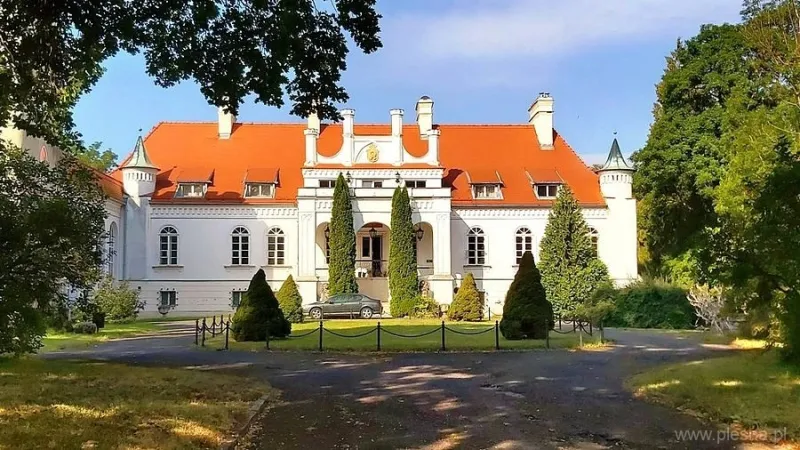
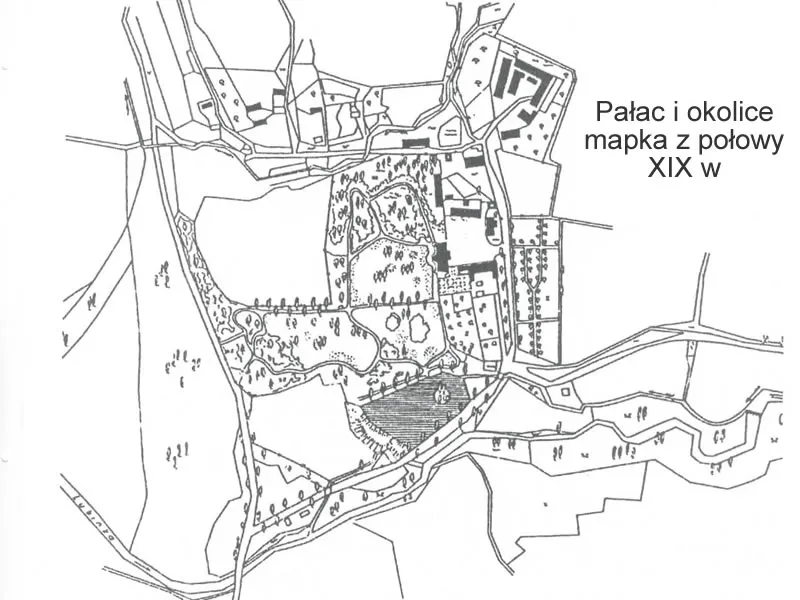
One of the most important places in Janowice is the former manor house, later a Neo-Gothic small palace. According to studies, the Jordan family built a manor in Janowice in 1737. A defensive tower is also mentioned; according to tradition it may have served for protection during raids, and also as a place where rebellious serfs or prisoners were held.
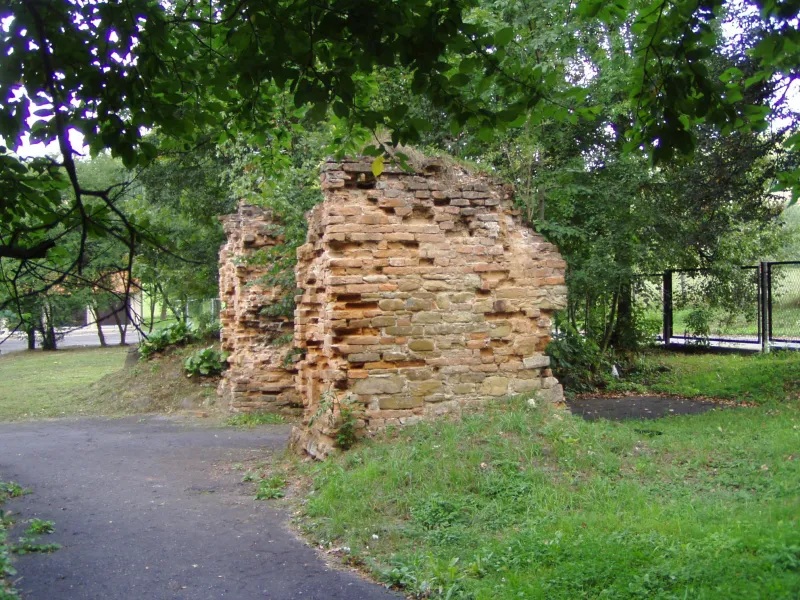
At the turn of the 18th and 19th centuries the palace was acquired by the Stadnicki family, who expanded it in the Neo-Gothic style. During the Galician peasant uprising in 1846, the palace was reportedly partly demolished by the rebels of Jakub Szela. In 1863 a chapel was built by the manor, where services were celebrated by clergy coming from Zakliczyn. Its ruins have survived to this day.
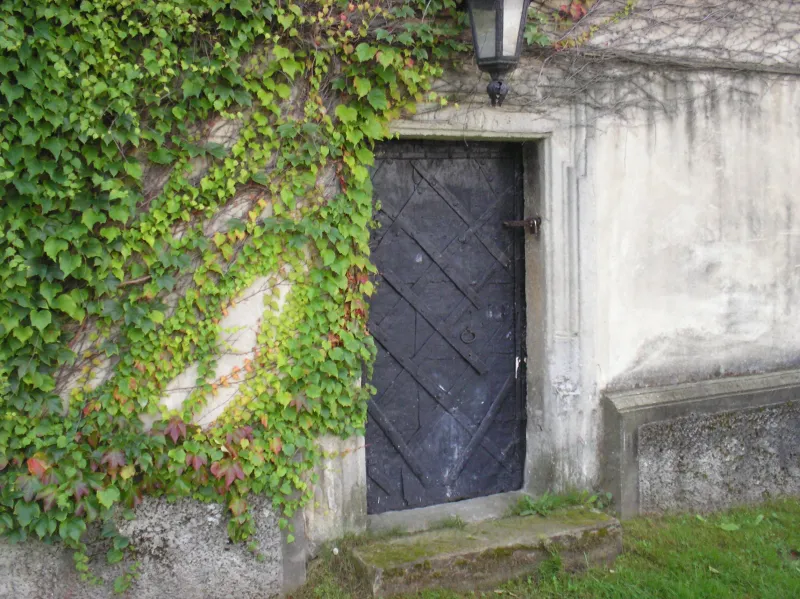
The oldest part of the palace consists of 18th-century vaulted cellars. Inside there was a round ballroom and a large dining room decorated with 19th-century cupboards. A four-sided tower with pointed-arch windows and crenellation is joined to the body of the building. At the main entrance there was an impressive portico with the Nałęcz coat of arms.
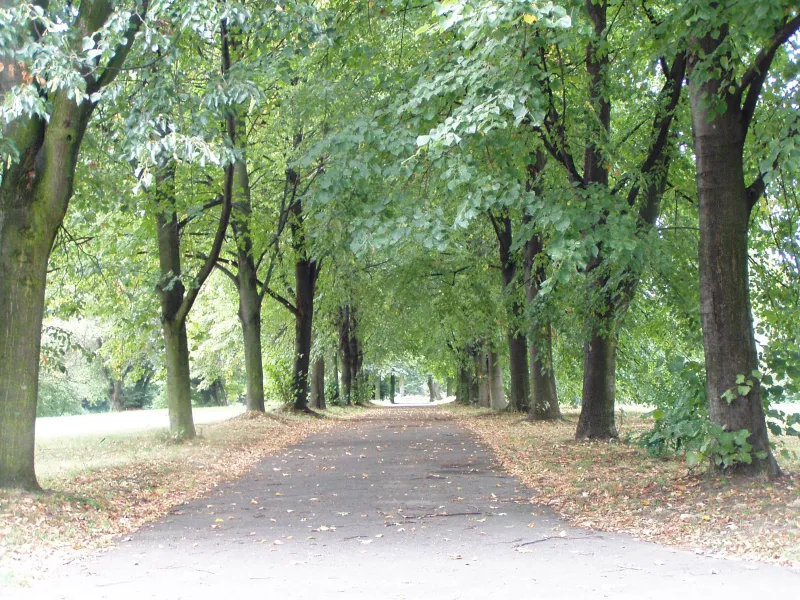
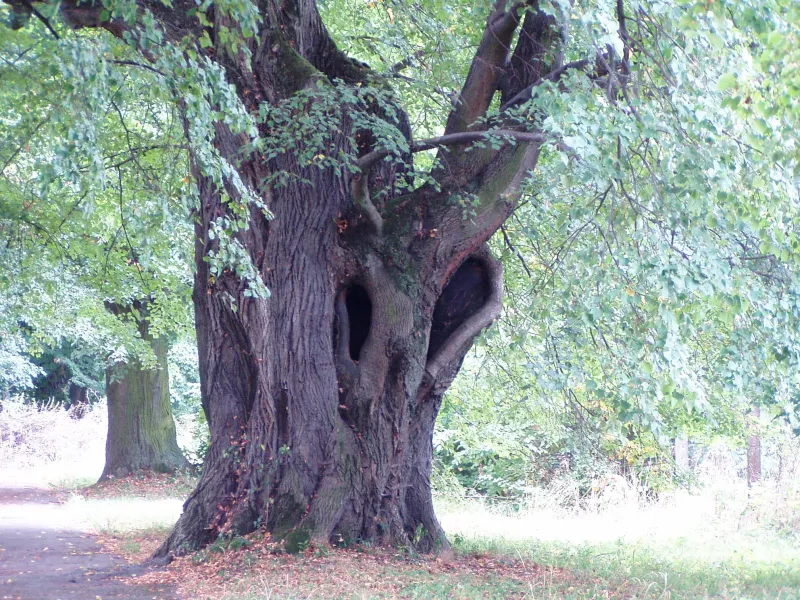
Set into the tower is a portal bearing the inscription A.D. 1695, probably transferred from the castle in Melsztyn. The palace is surrounded by a 19th-century English-style park. Old lime trees, oaks over a hundred years old, the original layout of paths and traces of former park islands have survived there. In 1976 the restored manor was put into use as the Creative Work Centre of the Kraków University of Technology.
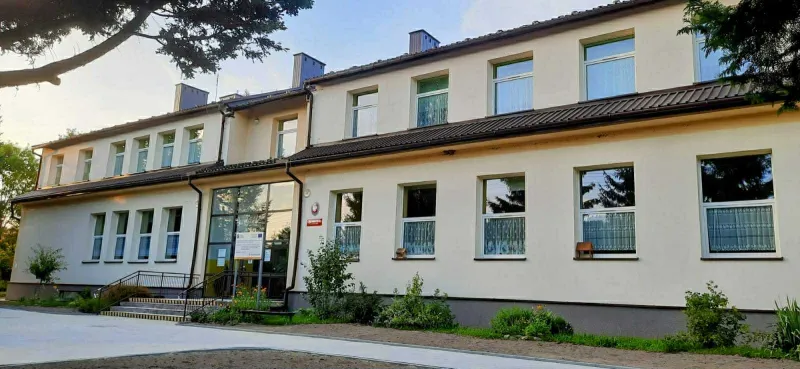
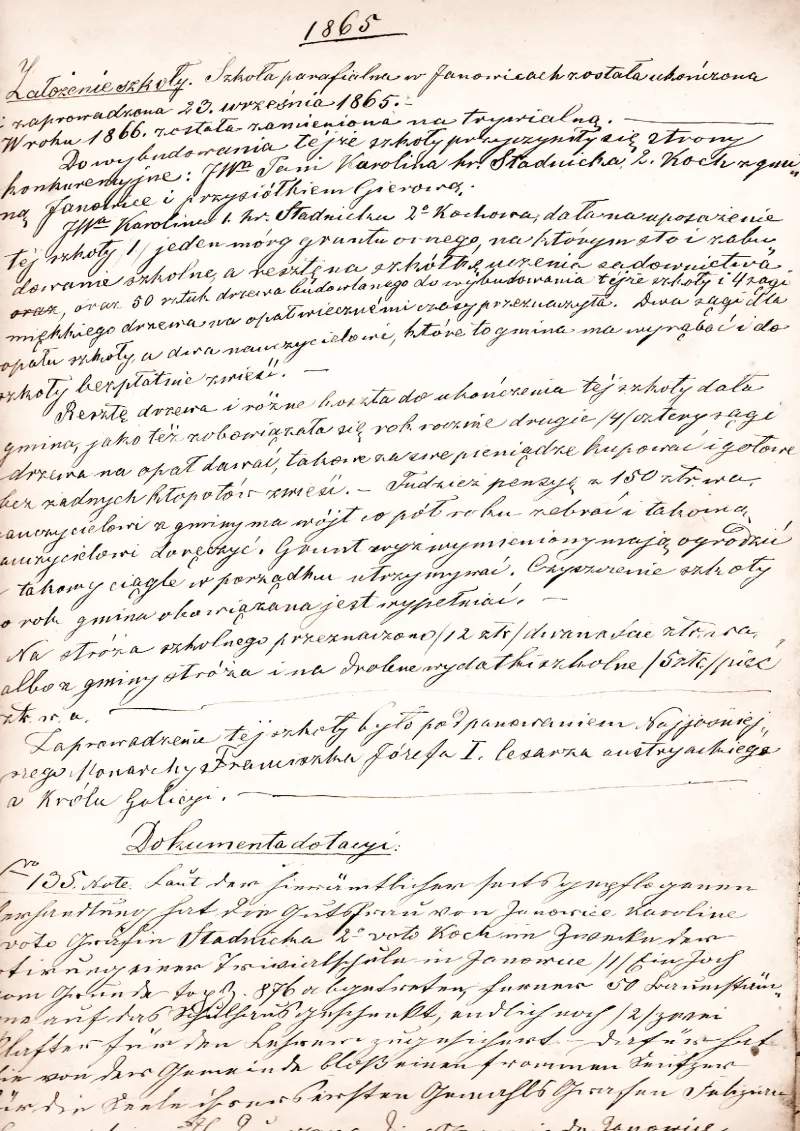
In 1865, through the efforts of the Janowice commune and Countess Karolina Stadnicka, a parish school was established. It was soon renamed a trivial school and then a folk school. The first teacher was Szczepan Mrożek. From 1870 the head of the school was Franciszek Ksawery Regiec, a folk teacher who came from Ilkowice and held this position until 1908.
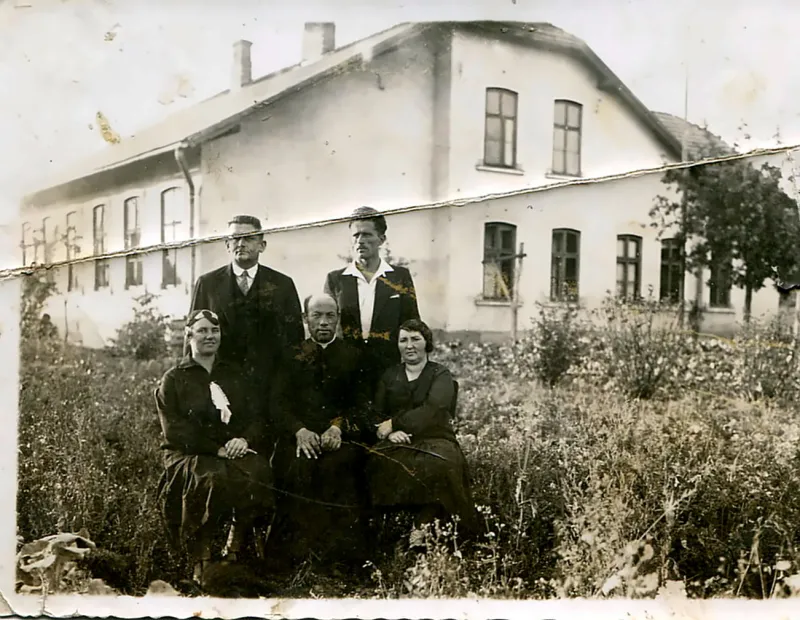
From 1911 the school was managed by Władysław Regiec, and later by Karol Regiec. In 1908–1911 a new school was built with three classrooms and an apartment for the heads of the school. In this form the building functioned until 1984.
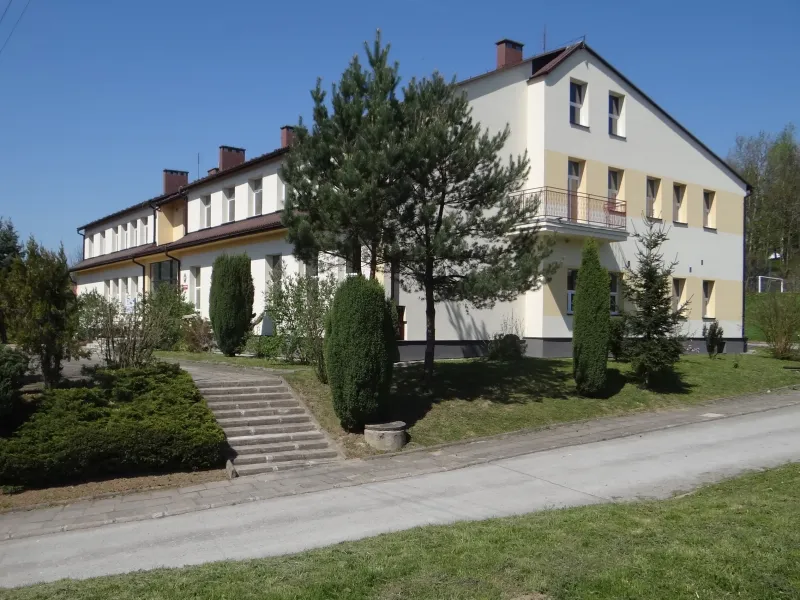
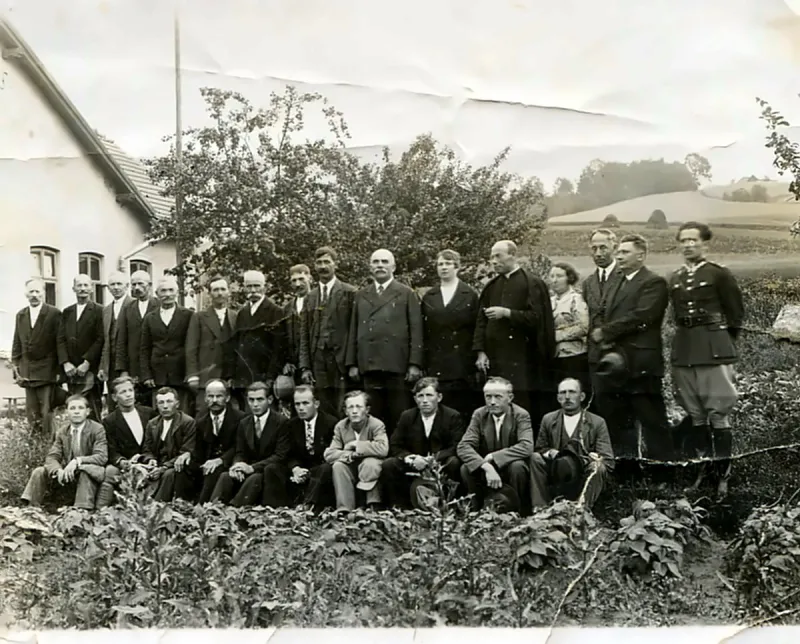
In the interwar period the school was not only a place of learning, but also a centre of local activity. Headmaster Franciszek Działo promoted fruit growing, beekeeping, grafting and budding of fruit trees. In 1937, through the efforts of the school, the agricultural circle and the country women’s association, an agricultural exhibition was organized.
After World War II, children began learning in two classes in the manor building. Further education courses for adults and courses for illiterate people were also organized. In 1984–1990 the school underwent a major renovation, and lessons were held in temporary buildings: the former bar, the old rectory and a private house. From 1999 the school had a computer lab with Internet access.
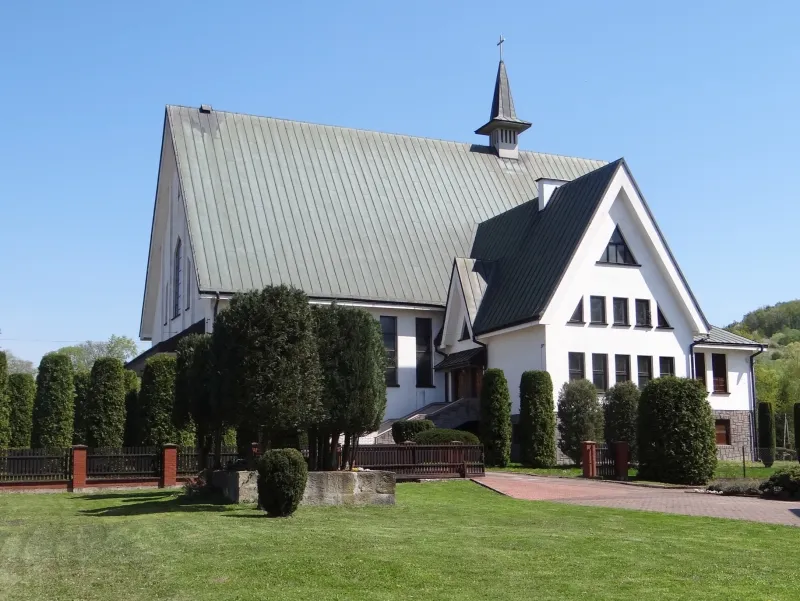
In 1909 an 18th-century wooden church from Lubcza near Pilzno was transported to Janowice by horse-drawn carts. In 1911 Father Jan Gaśnik from Ptaszkowa settled in Janowice, carrying out pastoral and catechetical duties. He was followed by Father Mikołaj Piechura. Filip Zapart was especially meritorious in the construction of the church, and a commemorative plaque in the old church was dedicated to him.
In 1923 Father Józef Mariański became parish priest and worked in Janowice for 23 years, until 1946. The Parish of the Exaltation of the Cross was established in 1925. A new church was built between 1982 and 1993 and blessed in 1994. In 2005 the solemn consecration of the church took place, combined with the 80th anniversary of the parish.
The parish cemetery is located in the centre of the village, about 200 metres north-west of the church. It contains the graves of distinguished clergymen, including Father Józef Mariański and Father Michał Gniewek, as well as the grave of legionary Zygmunt Klimecki, who died in 1918.
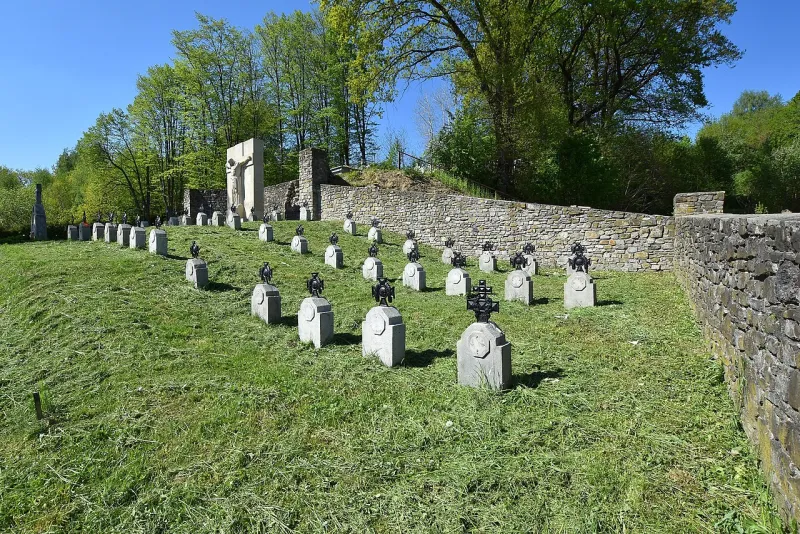
An important memorial site is military cemetery no. 190, connected with the fighting from December 1914 to May 1915. The cemetery is surrounded by a stone wall, and above it rises a sandstone monument of Christ crucified. The cemetery was designed by H. K. Scholz. At the entrance there is a grave of 11 soldiers of the 38th Lwów Rifle Regiment who fell in September 1939.
The Great War affected Janowice very severely. According to the school chronicle, the village and its surroundings were a battlefield from mid-December 1914 to early May 1915. After the Austrians withdrew behind the Dunajec, Russian units passed through the village, and later Janowice became an area of operations for the Austro-Hungarian army. Lines of trenches stretched from the Dunajec through Gierowa, Działy Górne and further towards Lubinka.
Numerous infantry, uhlan, dragoon, Honvéd and Bosnian infantry regiments, as well as artillery units, were stationed in the area. The march and stay in positions of the First Brigade of the Polish Legions, fighting near Łowczówek, were especially remembered. The population was suspected of supporting the Russians and of espionage, and the army treated the inhabitants harshly. The fate of village head Wojciech Krakowski was tragic: he was hanged by the church on the orders of the military command.
The evacuation of the population in the winter of 1915 brought the deaths of about 120 people. Requisitions, lack of food, artillery fire and warfare caused enormous losses. The heaviest fighting took place on 1 and 2 May 1915, preceded by hurricane artillery fire. In Janowice alone more than 140 cannons were operating. Dozens of houses, over a hundred barns and many stables, sheds and pigsties burned down. In the autumn of 1918 the village was struck by the Spanish flu epidemic.
The memory of the village also preserves the names of inhabitants who fell or died from disease during World War I, as well as those who later died in the war of 1920. Among those remembered are Franciszek Kocik, murdered by the Bolsheviks in Samara, Zygmunt Klimecki, a young legionary who died in 1918, and Tadeusz Regiec, who fell in the battle of Zawady near Ostrołęka.
After Poland regained independence, Janowice, like many Galician villages, struggled with poverty and fragmented farms. The soil was not very fertile, mechanization was lacking, and work on the land was very hard. Families often lived in multi-generational households, and many homes lacked running water, wooden floors and tiled stoves.
Difficult living conditions, malnutrition and lack of medical care caused high child mortality. In winter, some pupils did not attend school because they had no shoes. Many inhabitants emigrated abroad, especially to the United States.
In public life the pro-government camp connected with the BBWR was visible; an important figure in it was village head Karol Jarosz, a member of parliament from 1928. At the same time many farmers were associated with the People’s Party, which criticized the Sanacja government. The youth organization “Znicz”, part of the “Wici” movement, was also active.
An important event was the flood of 1935, which inundated Lower Janowice with the waters of the Dunajec. Through the Lubinka the waters reached as far as the church. Flood committees were organized, food, clothing and building materials were distributed, and meals for children were provided at the school.
The Germans entered Janowice as early as 6 September 1939. The day before, fighting took place on the Dunajec line near Zakliczyn. Infantry and artillery units were stationed in and near Janowice. During this period, 11 soldiers of the 38th Lwów Rifle Regiment were killed in Janowice; their grave is located by the military cemetery.
During the occupation, German was taught in the local school, and the population was harassed with quotas, requisitions and arrests. In addition to the gendarmerie, SS units were stationed in the village. A particularly bad memory was left by a commander referred to in accounts as “One-Armed Herman”, responsible for arrests and murders of civilians.
There were cases of people being dragged out of church during services and shot. Animals were taken from inhabitants, grinding grain in hand mills was forbidden, and hunger and disease spread. Some young people joined partisan units operating in the surrounding forests. In the Lubinka forests there was a skirmish in which prisoners transported from the prison in Tarnów were freed.
In January 1945 men from Janowice were gathered and driven towards Kraków; over time this group dispersed and most returned home. Many inhabitants were deported for forced labour in Germany. After the war they returned to their native village, which had to rebuild its social and economic life after the years of occupation.
In March 1945 the manor estate was parceled out. Forty-eight landless and smallholding peasants received land from the estate. Classrooms and a teacher’s apartment were arranged in the manor building. Over time the palace fell into ruin before it was later restored.
In 1948 Janowice was hit by a great flood. The part of the village located by the Dunajec was completely flooded, crops were destroyed, and the Dunajec changed its course.
In 1950 the electrification of the village began. Electric light appeared in homes for the first time, and residents began buying radio sets. In 1955 the Gromada National Council was established in Janowice; earlier the village had belonged to the gromada in Pleśna. In 1956 the first bus line through Janowice was launched, and in 1964 the village received its regular PKS bus connection.
In the early 1960s a Community Centre was built, housing the library, common room, fire station, Gromada National Council and summer kindergarten. In December 1963 the Health Centre was opened, built through the efforts of Father Władysław Kowalczyk and thanks to support from the Polish-American community gathered in the “Janowice” club in Chicago.
In the 1960s and 1970s the Agricultural Circle was very active, making it easier to rent machines. Mechanization gradually replaced manual labour. Good conditions in fruit growing and agriculture meant that a dairy, two fruit and vegetable purchasing points and a storage and materials base operated in the village.
The 1970s were a period of village expansion. Brick houses with water supply and central heating were built, and the last thatched houses disappeared from the landscape. Shops, a Ruch kiosk, hairdressing salons and the Słoneczny Bar operated. The economic crisis of the 1980s and martial law halted development, and young residents increasingly went abroad in search of work.
After the political transformations, Janowice gradually changed its character. In 1993 gas was brought to the village, and in 1995 a telephone exchange began operating, thanks to which most residents were connected to the telephone network. In 1997 Janowice was again affected by a flood.
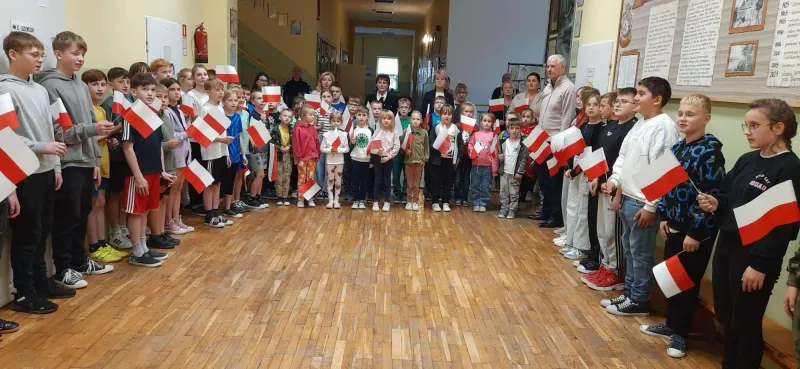
In 2000 the parish hosted the pilgrimage of the image of Our Lady of Częstochowa. In 2001 the “Herkules” Janowice Student Sports Club was established, supporting the development of sport. In 2002 the communal harvest festival was held on the school grounds, and in 2003 the school gained an asphalt volleyball and basketball court.
Until 1989 most inhabitants lived from farming, animal breeding, horticulture and fruit growing. In season, fruit and vegetable purchasing points operated, collecting industrial apples, plums, cucumbers and currants. Farms were small, usually only a few hectares, and pensions and retirement benefits became increasingly important.
After 1989 some inhabitants lost their jobs in factories in Tarnów, so they began setting up their own businesses. Agritourism, small entrepreneurship, forestry work, the production of candle wicks and parquet staves developed. The village was still based on the hard work of its inhabitants, but its economy became increasingly diversified.