

Flora and fauna, landscape, valleys, hills, forests, streams and natural places connected with Janowice.
Janowice is a village with an exceptionally varied landscape. Its location by the Dunajec River, the Lubinka valley, steep hills, ravines, old orchards, forests and woodland areas create a space where the history of the village is closely connected with the nature of the foothills.
Janowice lies by the Dunajec River and belongs to the Ciężkowice Foothills, at the meeting point of foothill and valley landscapes. The Lubinka stream, also called Lubinianka, flows through the village. Along its valley runs the road connecting Tarnów with Zakliczyn. This part of the village has long been the centre of everyday life: the church, public institutions, shops and the main buildings are located here.
Near the mouth of the Lubinka into the Dunajec, there is a flat plain with farmland, riverside alder woods, former gravel pits and ponds. This is where the landscape of Janowice becomes more open, gentle and agricultural.
Above Janowice rises Wał, one of the highest hills in the area, reaching about 523 metres above sea level. Materials about the village note that the summit of Wał was probably not covered by glaciation. It is an important element of the landscape, visible from many places in the village and the surrounding area.
The hills around Janowice have steep slopes and gentler hilltops. They are cut by gullies, ravines and small valleys, through which streams and brooks flow. Heavy brown and silty soils developed on glacial clays and loams, shaping the way local people farmed the land for generations.
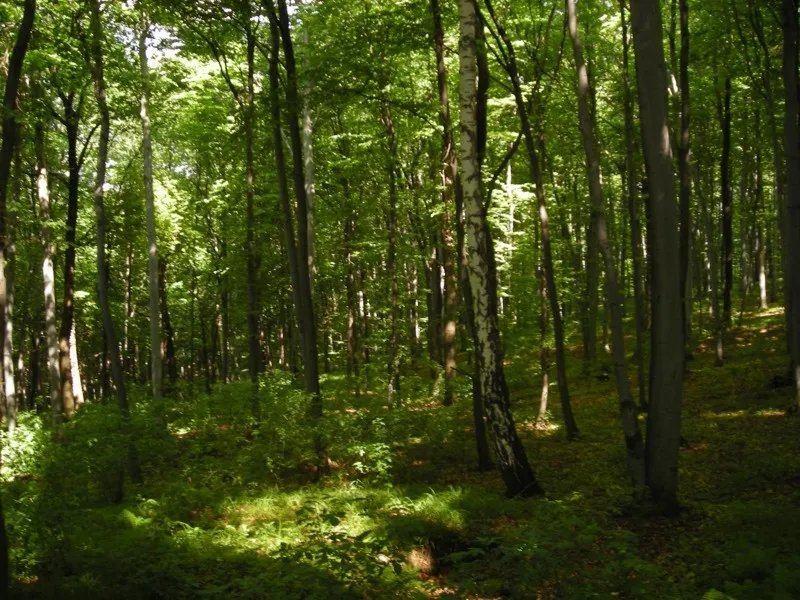 One of the most valuable natural places is the Janowice woodland area, located in the western part of the Rożnów-Ciężkowice Foothills, within the village of Janowice. It is part of the state forests belonging to the Gromnik Forest District. The area is formed by an oak-hornbeam forest growing on a steep slope descending towards the Dunajec valley.
A particularly interesting feature of this place is the large number of common ivy specimens. In a study devoted to Janowice, about 100 flowering and fruiting specimens of this plant were described. The diameter of their stems at a height of about 1.5 metres above the ground was most often 5-6 cm, while the largest specimen, climbing a black locust tree, had a stem about 10 cm in diameter.
Dendrological studies carried out on cross-sections of ivy stems 6-8 cm in diameter made it possible to estimate their age at 40-50 years. About 60 specimens used oaks as support, 26 used spruces, 4 used pines, and the remaining ones climbed cherry, hornbeam and black locust trees. Ivy is not a parasite of trees — it climbs trunks using clinging roots, and its presence gives the woodland area a special, almost primeval character.
Older materials pointed out that the forests of the foothills are exposed to human pressure and that the Janowice woodland area deserves care and protection. They emphasized that the natural value of this place is considerable and that preserving fragments of the natural landscape is important for the whole area.
Different types of forests occur in Janowice and its surroundings. Near Wał hill, Carpathian beech forest can be found. Oak-hornbeam forests and numerous small groves appear on the hills. In stream valleys and on river terraces, riparian forests and alder woods occur, especially in the flat area near the Dunajec River.
Apart from natural and semi-natural forests, artificial plantings are also an important part of the landscape. They are most often found near houses, along roads and on field boundaries. Together, they create a mosaic of greenery typical of a foothill village.
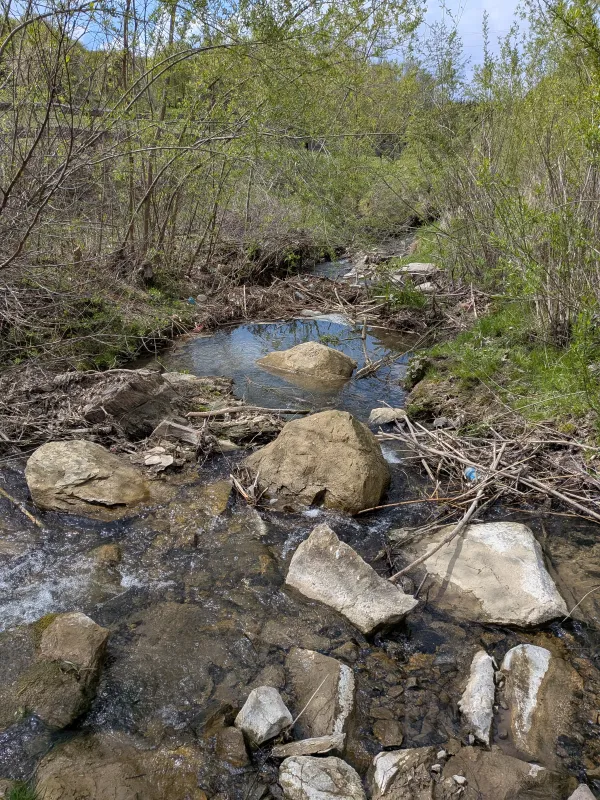
Course and mouth: the Lubinianka has its sources on the northern slopes of Wał hill in the Rożnów Foothills. It flows through the village of Lubinka and then meanders through Janowice. In Janowice it flows into the Dunajec River as its right tributary.
Importance for the village: the stream strongly shaped the local terrain. Along its valley and terraces runs the district road from Tarnów to Zakliczyn, and close to its bed are key places in Janowice, including the primary school, church and kindergarten.
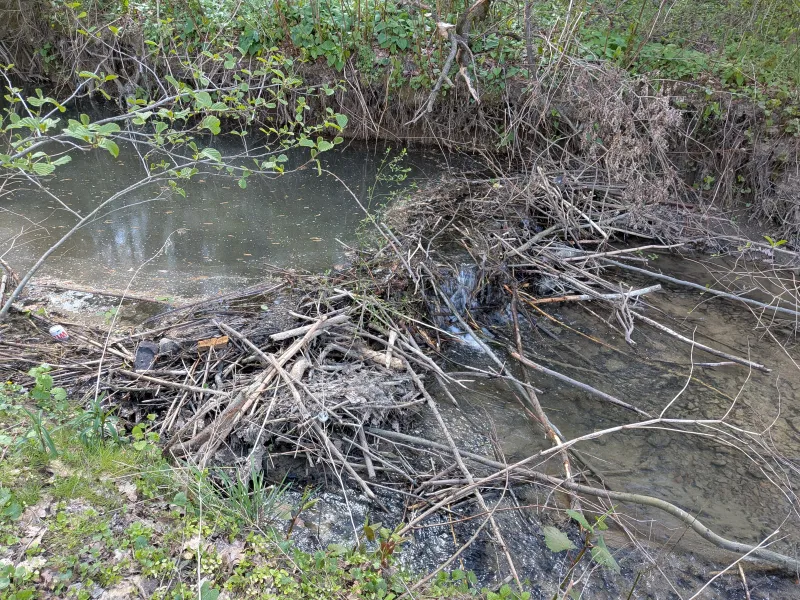
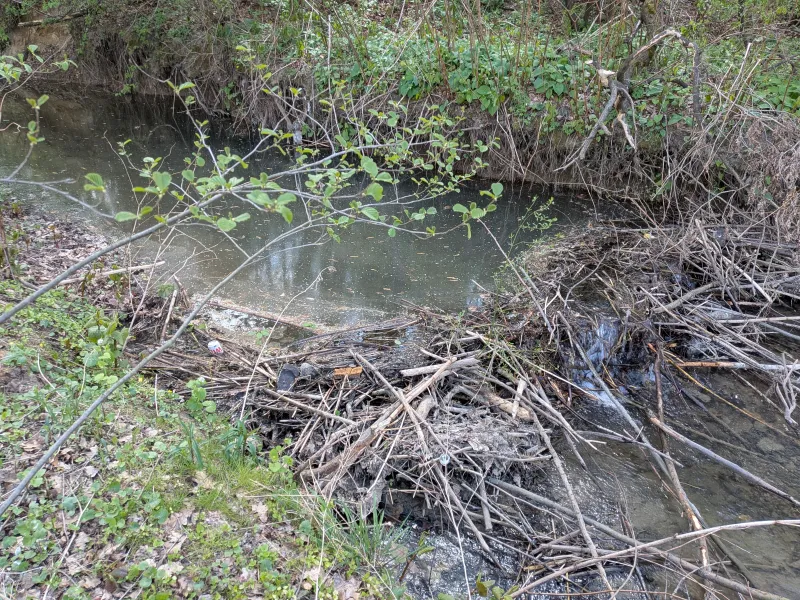
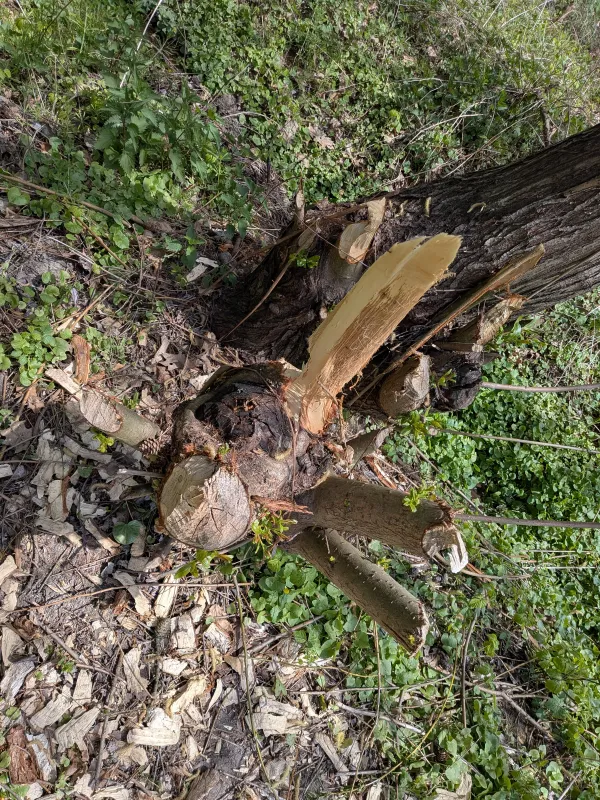
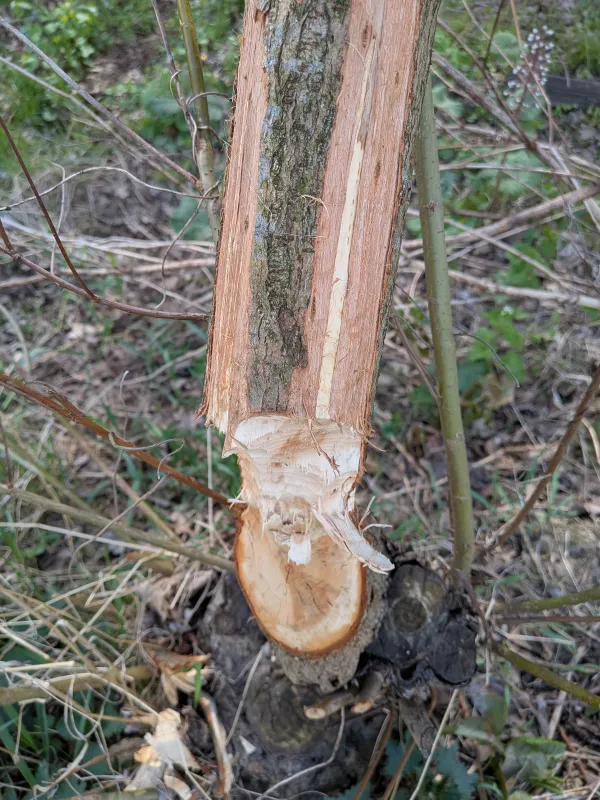
It is said that today more than 100,000 beavers live in Poland, while in the 1970s the species was close to extinction here, with only about 500 individuals remaining. Beavers have also settled in Janowice, by the Dunajec River and the Lubinianka River.
Among the most interesting habitats with high biodiversity are gullies and ravines. Their shaded and more humid interiors support shade-loving plant species. Aquatic organisms can be found in streams, and many amphibians, including the fire salamander, occur near springs and wetlands.
Xerothermic grasslands growing on strongly sunlit south-facing slopes are also valuable. Plants from the orchid family occur there, and among animals one can find the sand lizard and the grass snake. Another type of habitat is formed by fallow land and abandoned orchards and gardens, where natural ecological succession takes place.
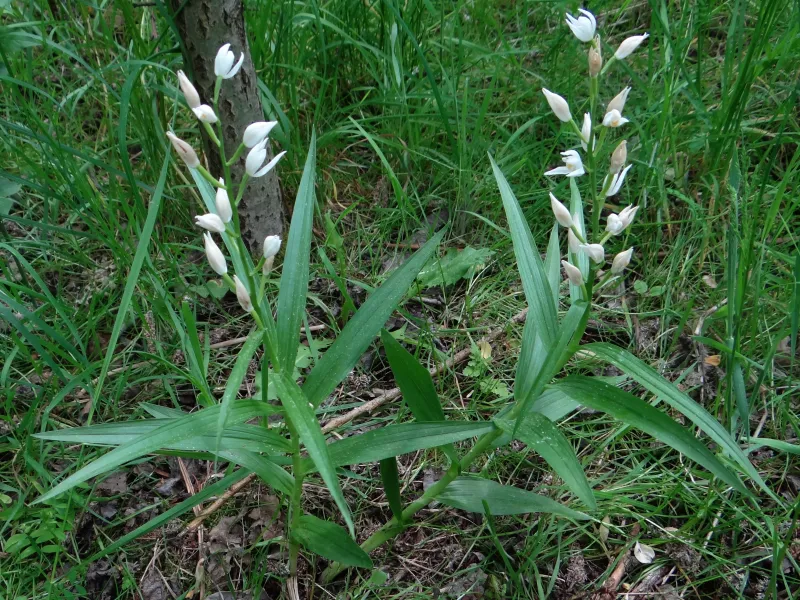
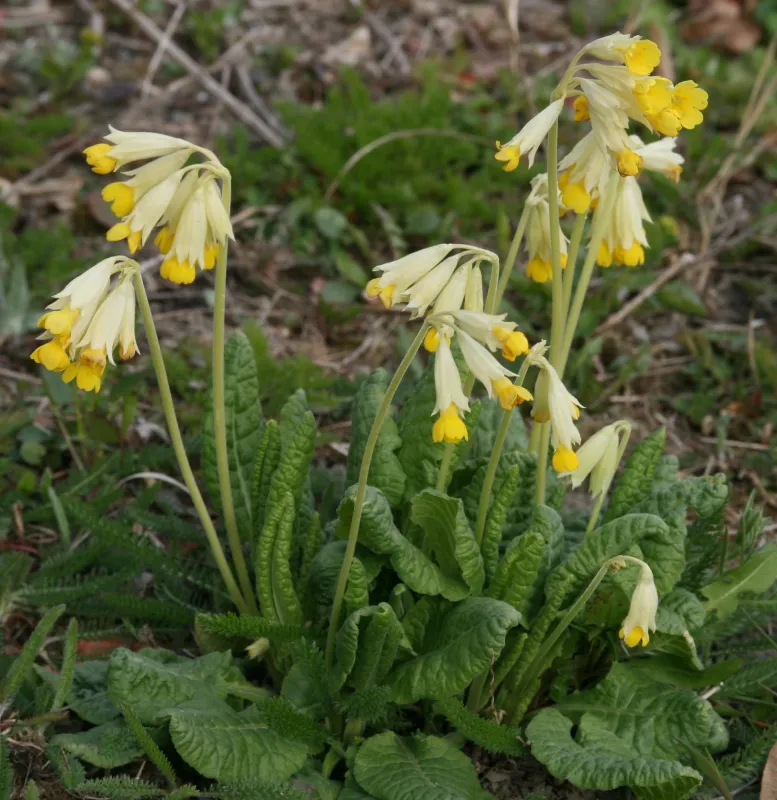
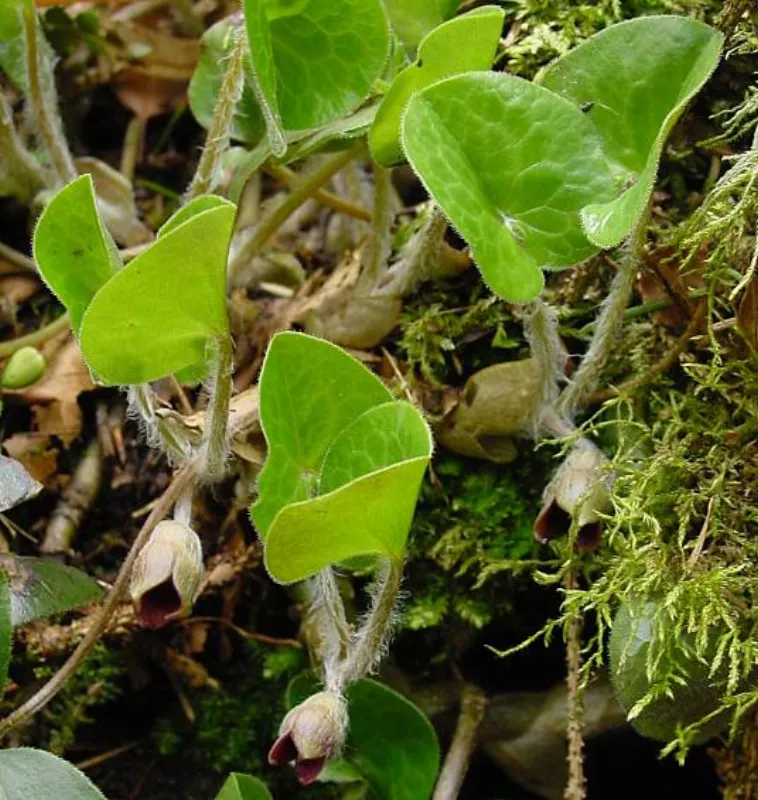
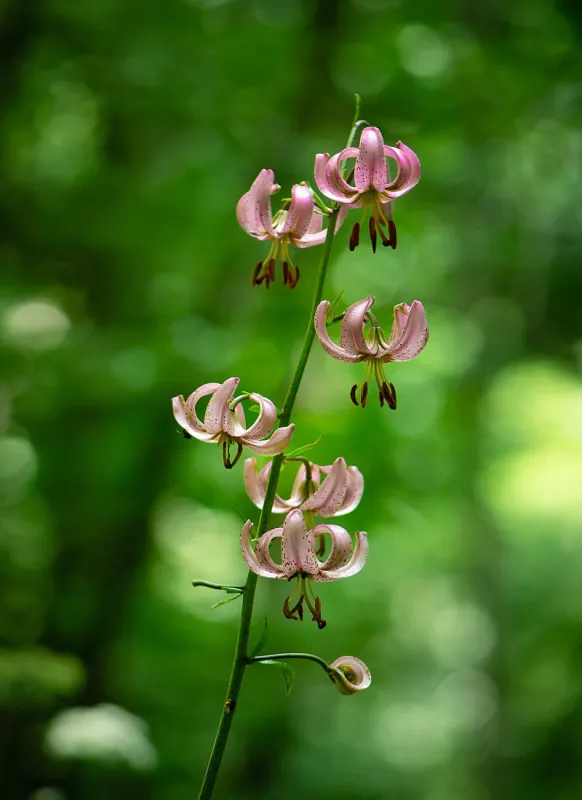
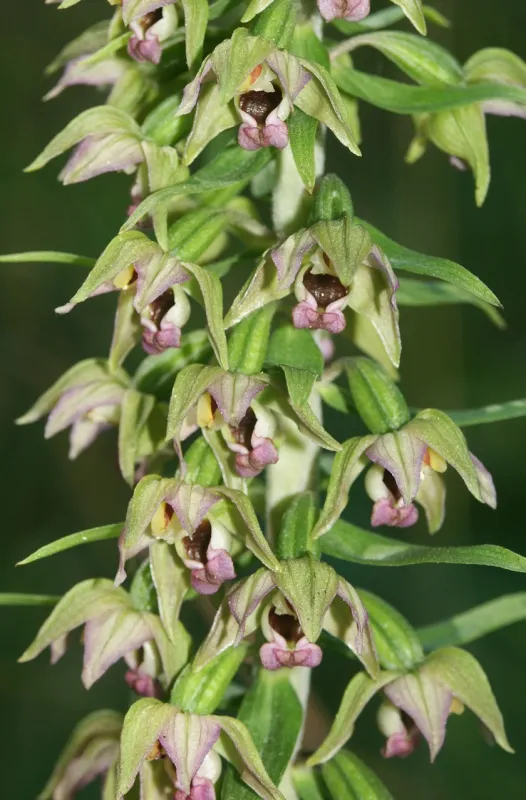
Materials devoted to the nature of Janowice mention, among others, the martagon lily, cowslip, orchid plants and common asarum. Their presence shows that the area around the village is not only an agricultural landscape, but also a place where valuable local plant habitats have survived.
Old orchards were also an important element of the former landscape — both cultivated and abandoned, gradually becoming wild. In such places, human work and natural processes met. These areas are often refuges for birds, insects and small mammals.
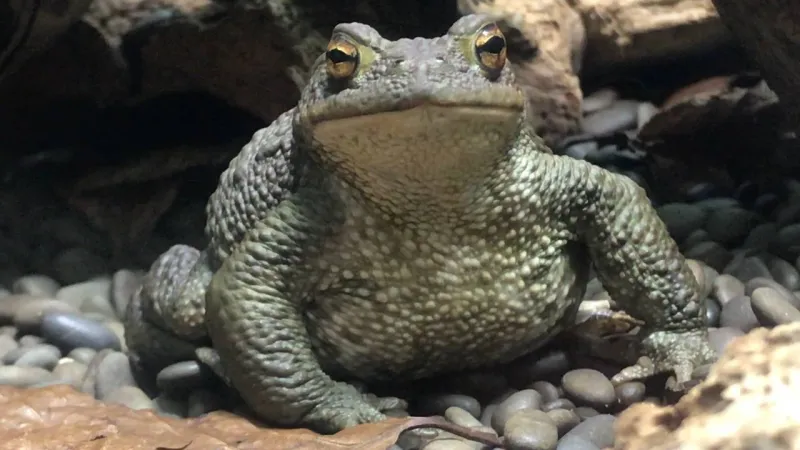
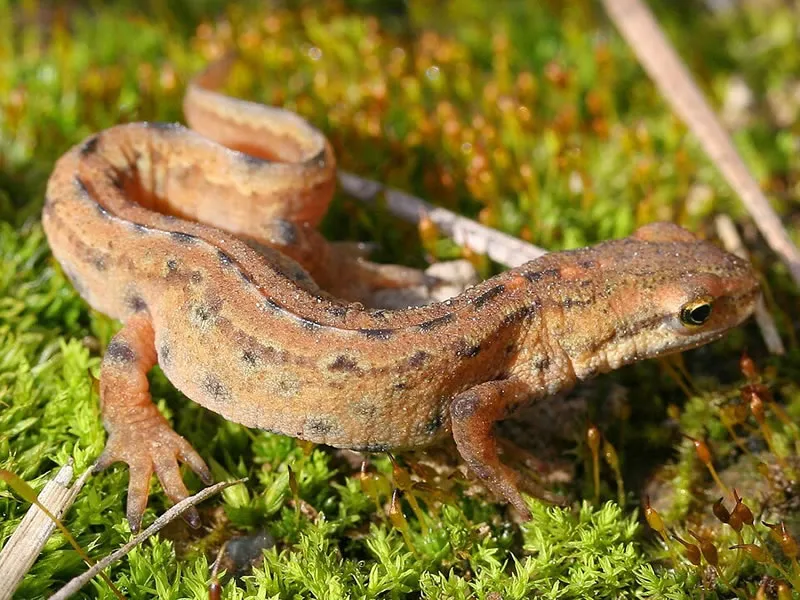
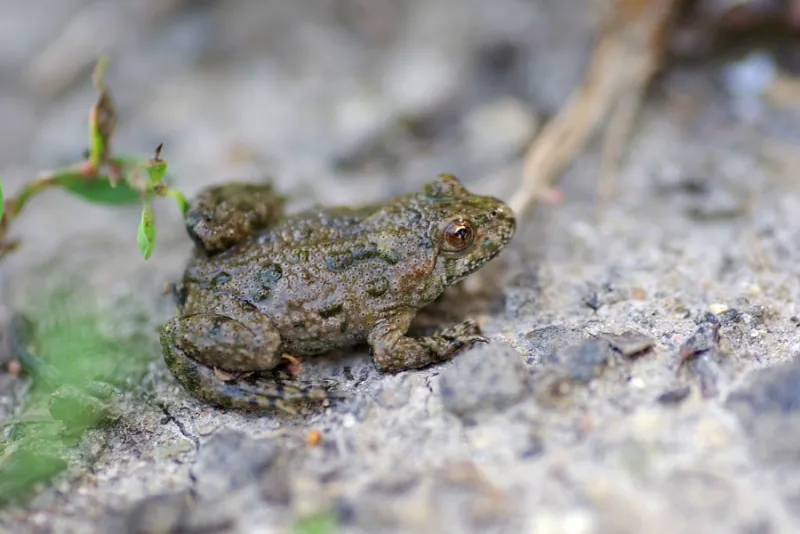
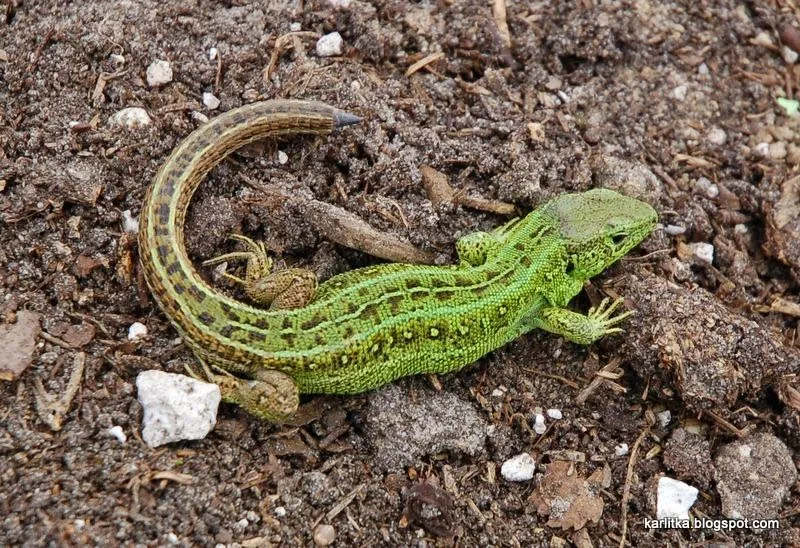
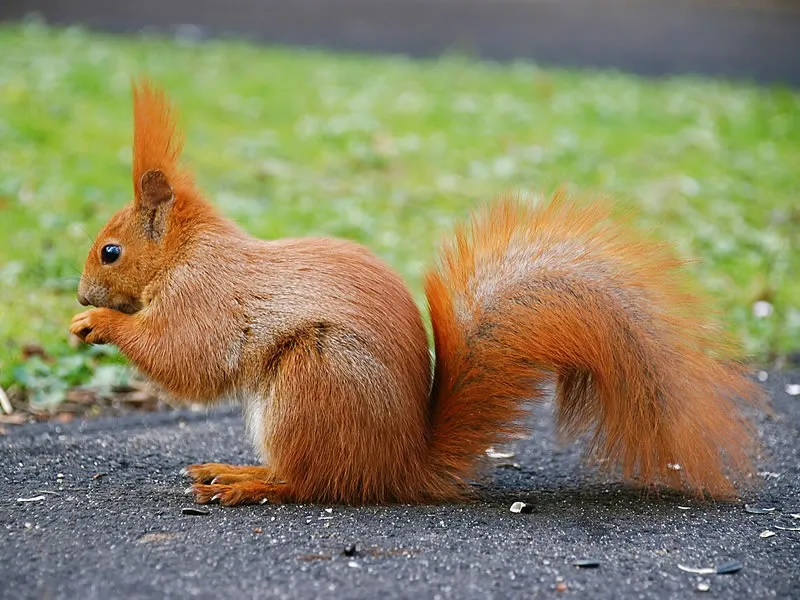
Many species of wild animals live in the area around Janowice. Among mammals, roe deer, wild boar, hare, red fox, squirrel, stoat, bats, badger and hedgehog were mentioned. Their presence is connected with the diversity of fields, tree lines, forests, orchards and stream valleys.
Among amphibians and reptiles, the common toad, smooth newt, yellow-bellied toad, slow worm, sand lizard and grass snake can be found. Moist ravines, streams, gravel ponds and shaded forest areas are especially important for them.
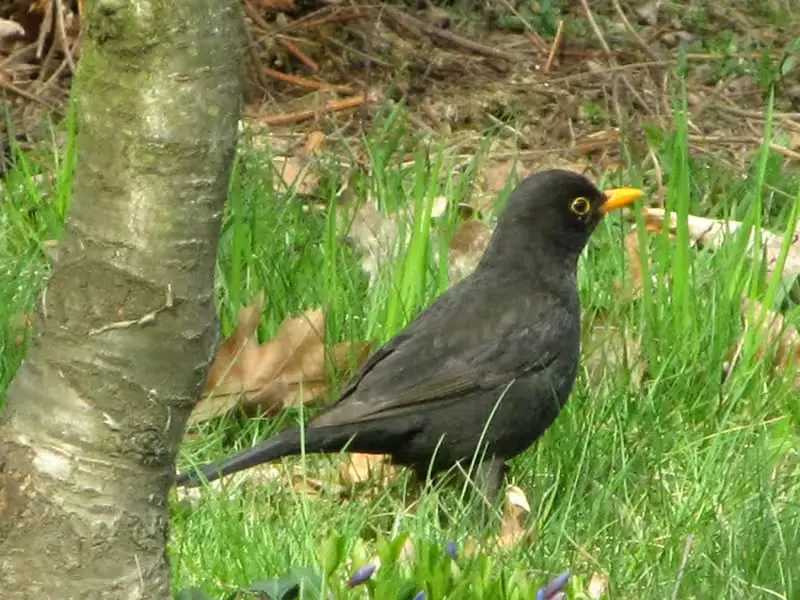
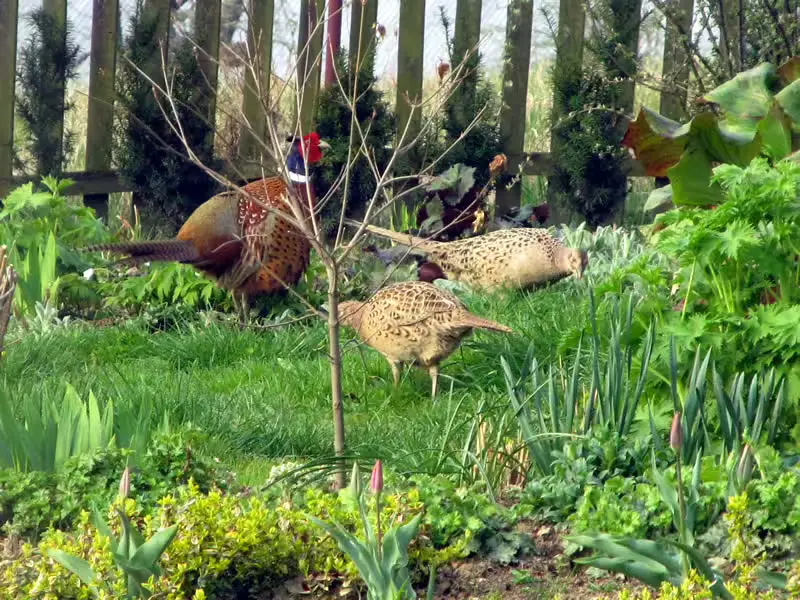
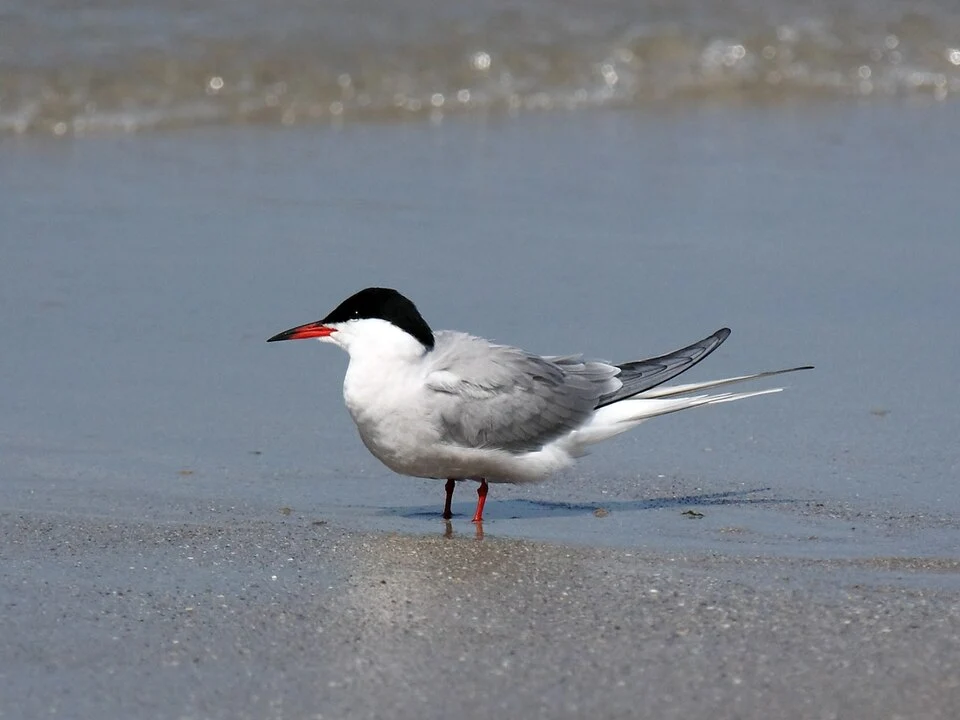
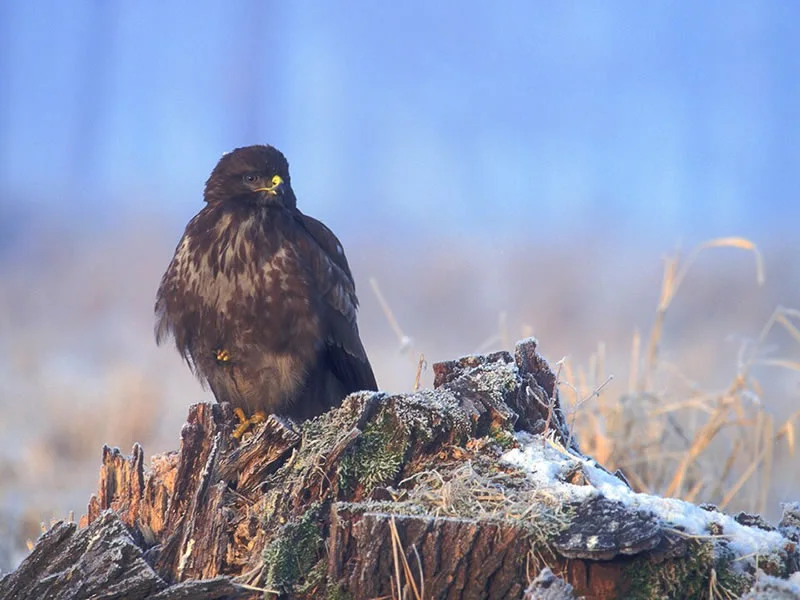
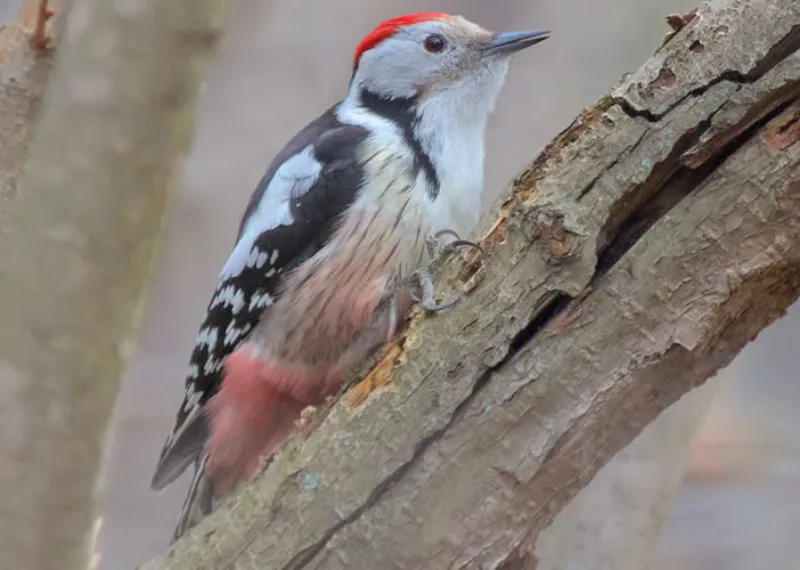
In the landscape of Janowice there are both birds connected with fields and buildings, as well as forest and riverside species. The materials mention, among others, the common buzzard, great tit, common tern, swallows, sand martin and barn swallow, sparrow, magpie, owl, hawk, blackbird, crow, stork, starling, pheasant and woodpecker.
In winter, mute swans could be observed on the former gravel ponds. This shows that old excavations and riverside areas, although created by human activity, have also become part of the local natural environment.
The nature of Janowice is not just an addition to the history of the village, but one of the foundations of its identity. The shape of the land influenced the location of houses, the course of roads, the types of crops, the way people worked and the daily rhythm of life. The Dunajec provided fertile land, but also brought floods. The hills offered protection, but made farming more difficult. Forests provided wood and were also places of memory, stories and rest.
The value of Janowice lies precisely in the combination of these elements: the river, the stream, fields, orchards, hills, forests and woodland areas. Thanks to this, the village has a rich, changing and recognizable landscape, and nature remains one of the most important themes of the future janowice.net.pl website.