
Ładowanie strony...

The palace, roadside chapels, old buildings and historic places preserved in Janowice.
Janowice has several places that are especially important to local memory: the palace with its park, the parish church, cemeteries, roadside chapels and crosses. Each of these places tells a different part of the village history.
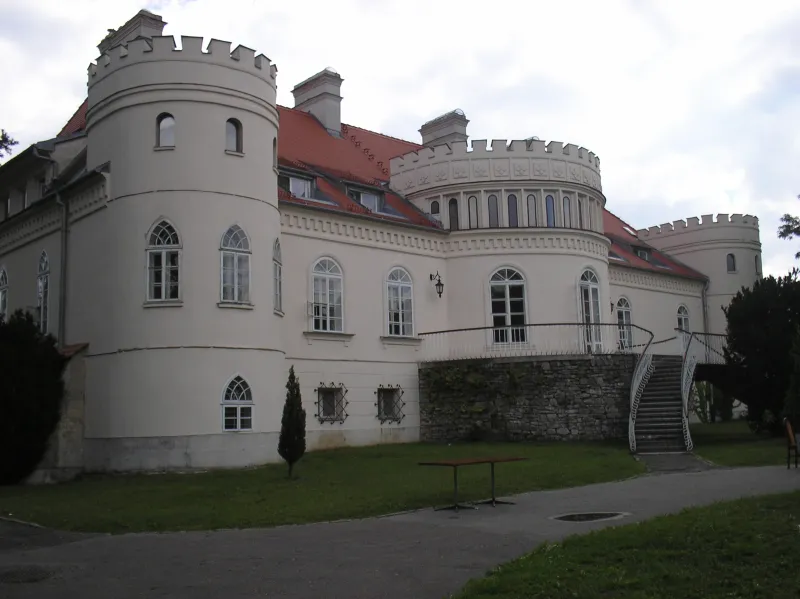
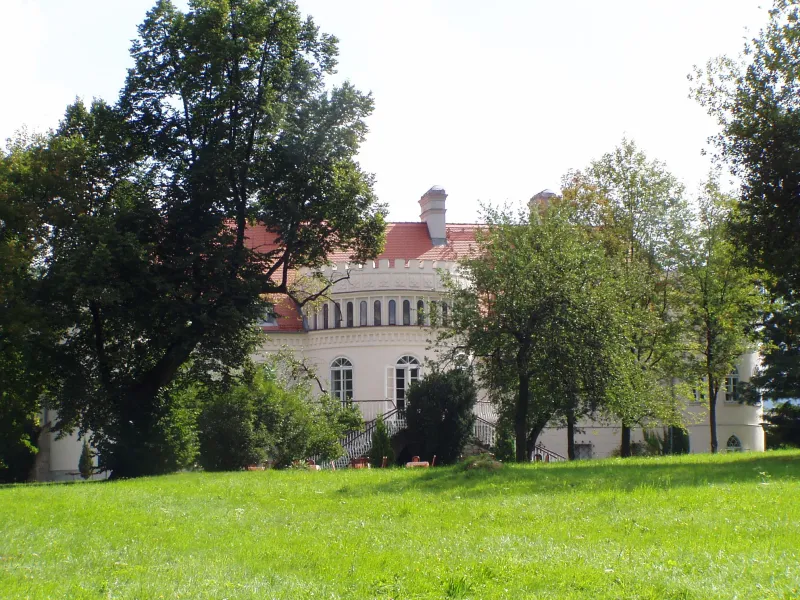
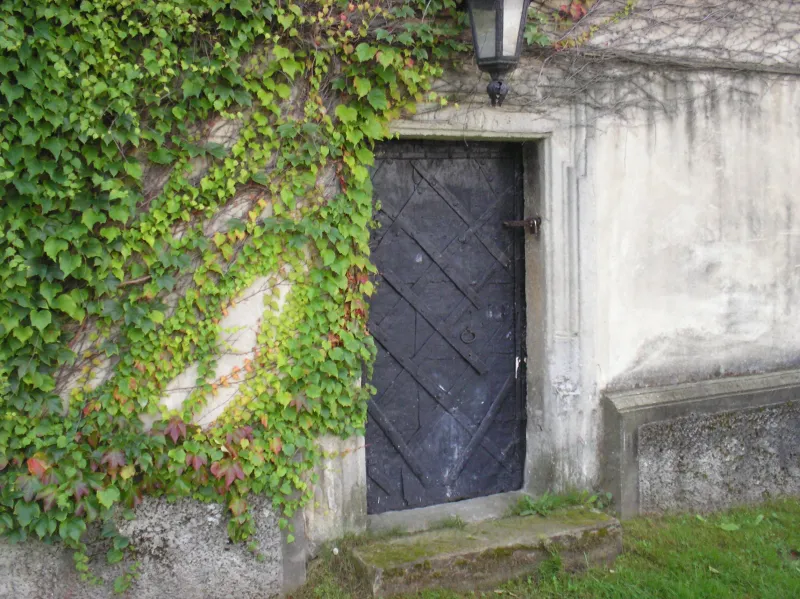
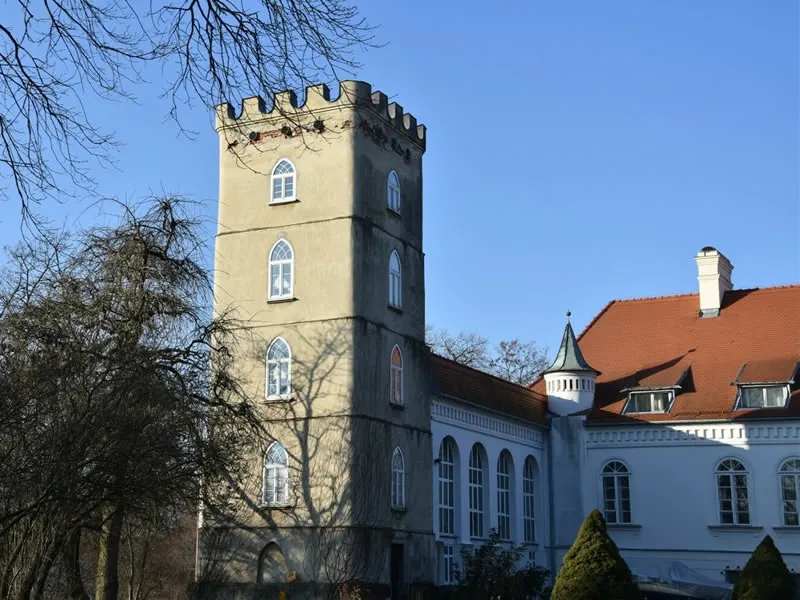
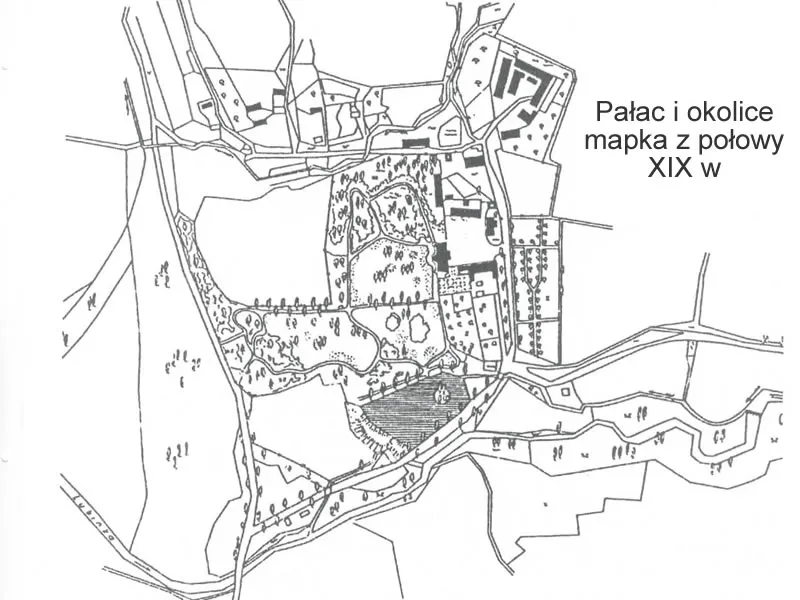
One of the most characteristic buildings in Janowice is the former manor house, rebuilt in the 19th century in an eclectic and neo-Gothic style. Its oldest parts are the 18th-century cellars with semi-arched vaults. The materials also describe a round ballroom and a large dining room decorated with 19th-century sideboards.
A four-sided tower with pointed-arch windows and battlements adjoins the palace body. At the main entrance there is an impressive portico bearing the Nałęcz coat of arms. On the western side there are semicircular projections, giving the building the character of a romantic, neo-Gothic residence.
A portal with the inscription A.D. 1695 is built into the palace tower, probably transferred from the castle in Melsztyn. This detail further connects Janowice with the broader history of the region and former residential estates along the Dunajec River.
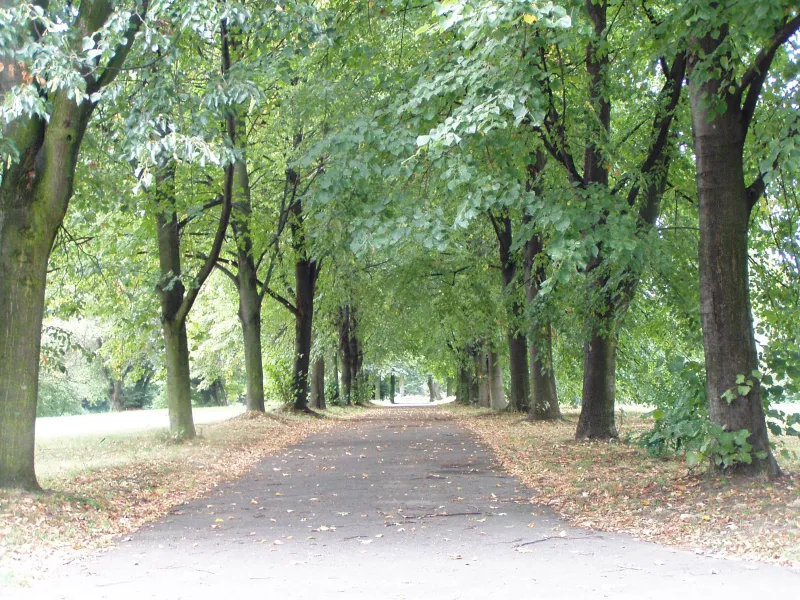
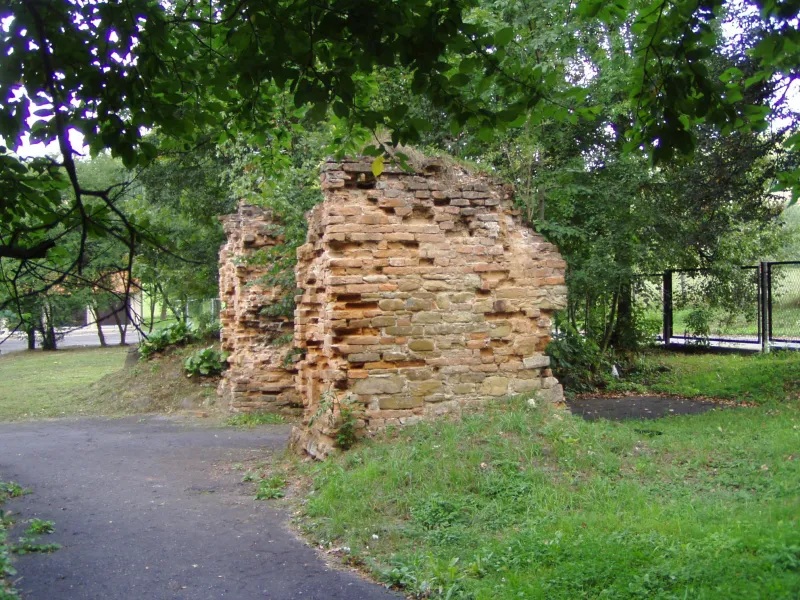
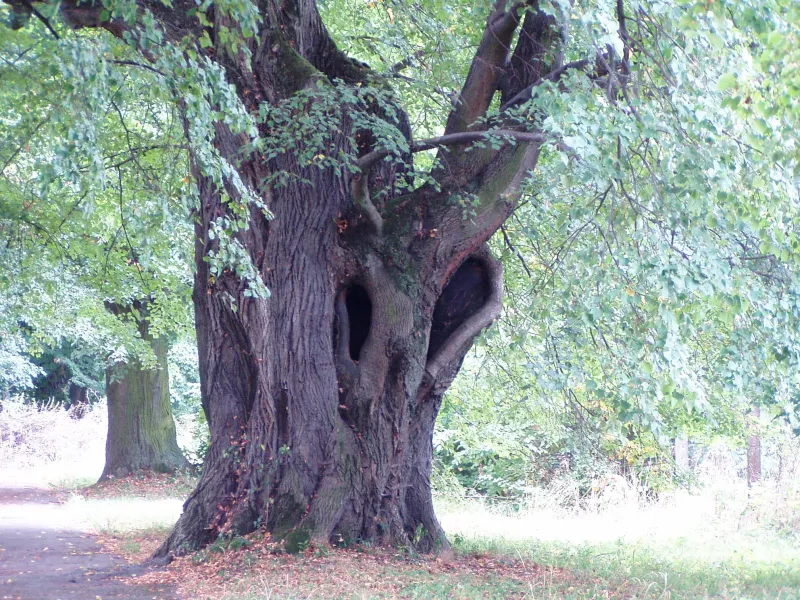
A 19th-century English-style park has survived around the palace. The materials mention a lime-tree avenue with several nearly 200-year-old lime trees, oaks over 100 years old, and the original layout of paths and walkways. Traces of former islands have also survived in the park, one of which was covered with oaks and the other with willows.
The palace was once built near the Dunajec River. Over time, the river changed its course and now flows farther from the former manor estate. Later, the building served as the Creative Work House of the Kraków University of Technology and was then leased by private users. Regardless of its later functions, it remains one of the most important signs of the former landed gentry in Janowice.
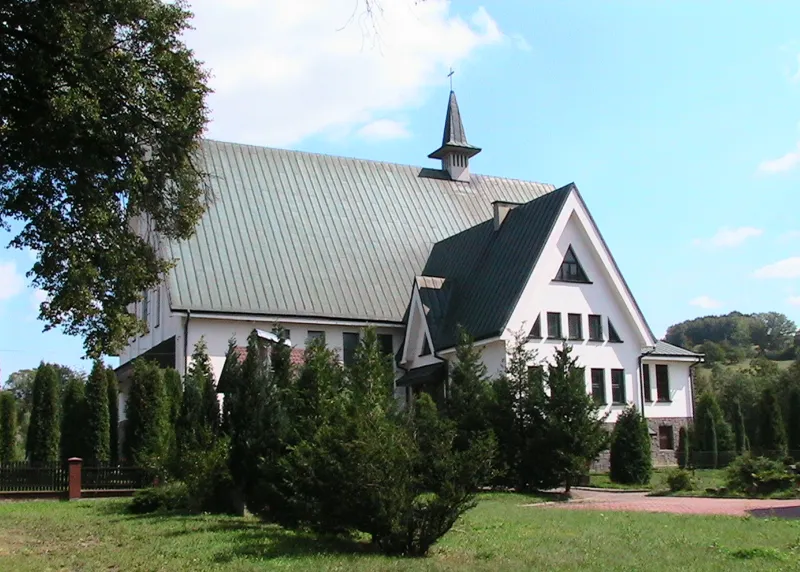
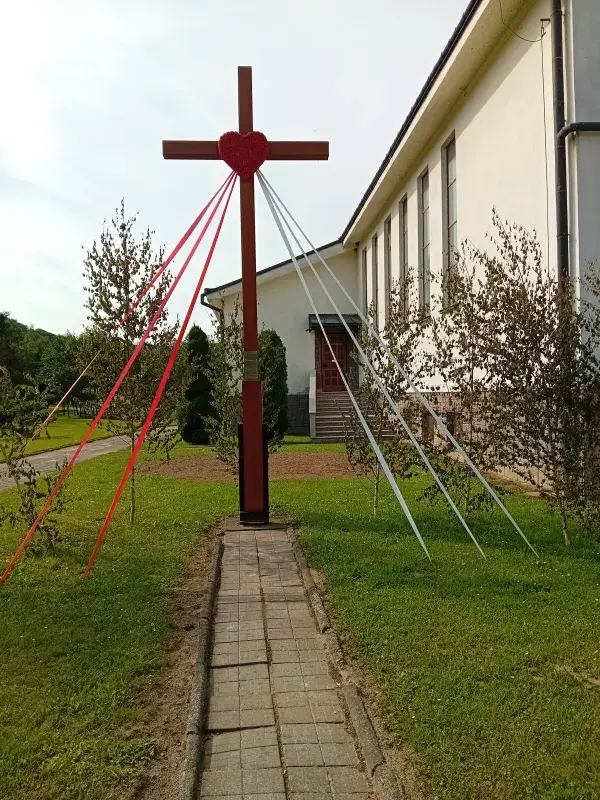
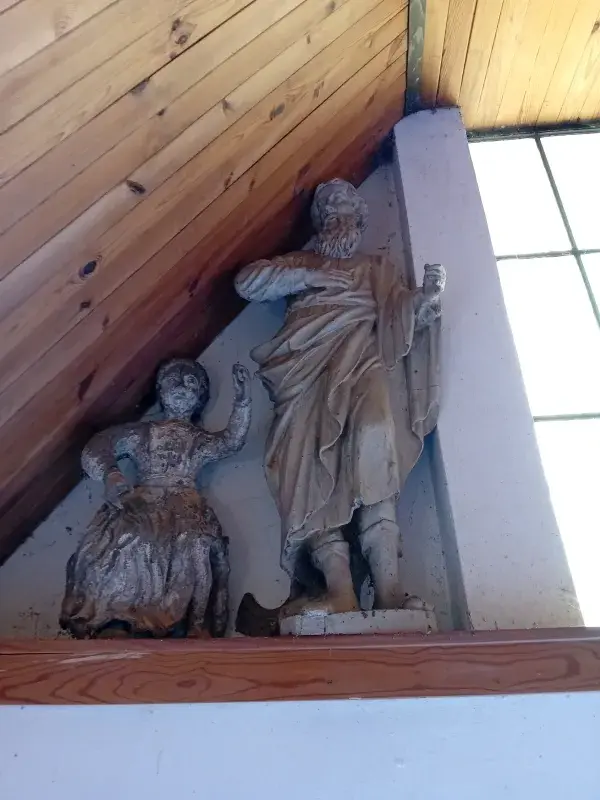
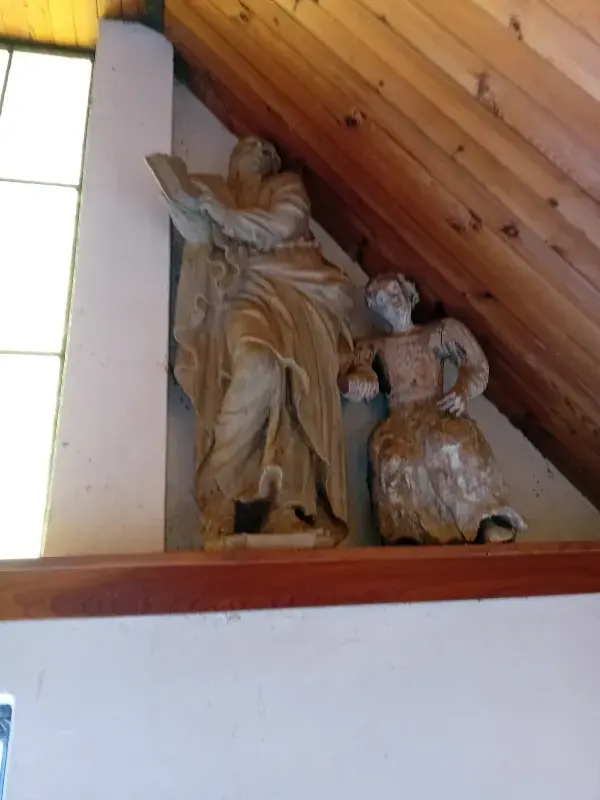
The Parish of the Exaltation of the Cross in Janowice was established in 1925. However, the church itself had been brought earlier — in 1909 a wooden church from Lubcza near Pilzno was transported to Janowice. It was a major organizational undertaking requiring the involvement of residents and local community activists.
Filip Zapart made a particularly important contribution to the construction of the church. In the old church there was a memorial plaque dedicated to his efforts. The first priests permanently connected with Janowice also performed catechetical and social roles.
The church contained a memorial plaque dedicated to parishioners murdered by the Nazis during the Second World War. The materials also mention a 19th-century oil painting of the Pietà, modern stained-glass windows depicting saints and blessed figures, an 18th-century crucifix venerated for its graces, and a historic 19th-century baptismal font.
The new church was blessed in 1994, and on 28 August 2005 the solemn consecration of the church took place, attended by Wiktor Skworc, the diocesan bishop of Tarnów. The ceremony coincided with the 80th anniversary of the parish.
The parish cemetery is located in the centre of the village, about 200 metres northwest of the church. It contains the graves of people closely connected with the parish and local history, including Father Józef Mariański, the long-time parish priest of Janowice, and Father Michał Gniewek.
The cemetery is also the burial place of Zygmunt Klimecki, a Polish Legion soldier who died in 1918 after the hardships of war. His grave commemorates the participation of residents and people associated with Janowice in the events that led to Poland regaining its independence.
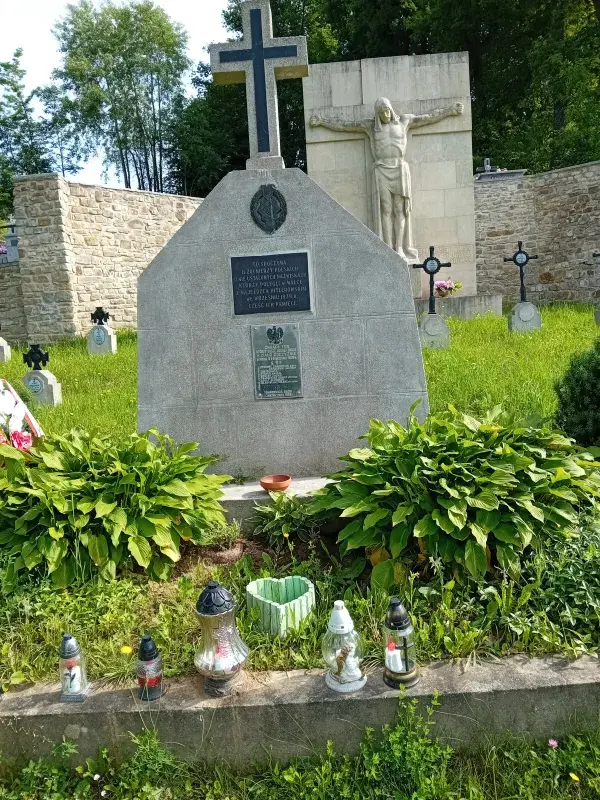
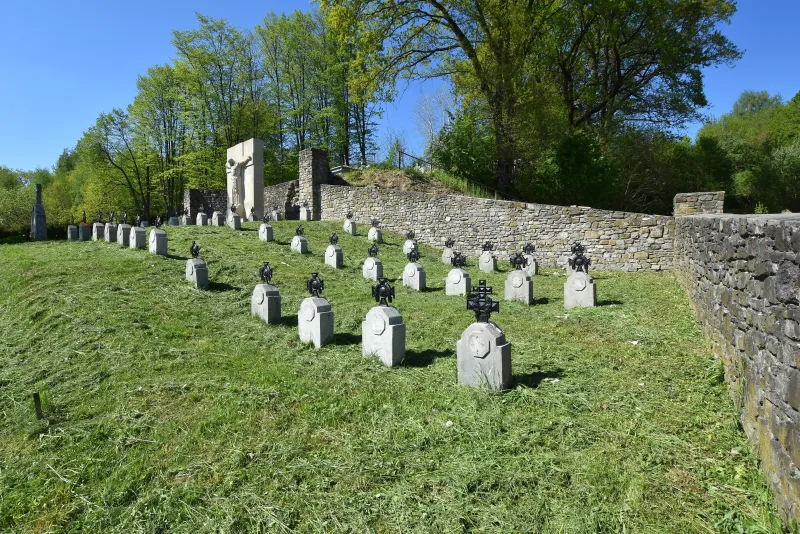
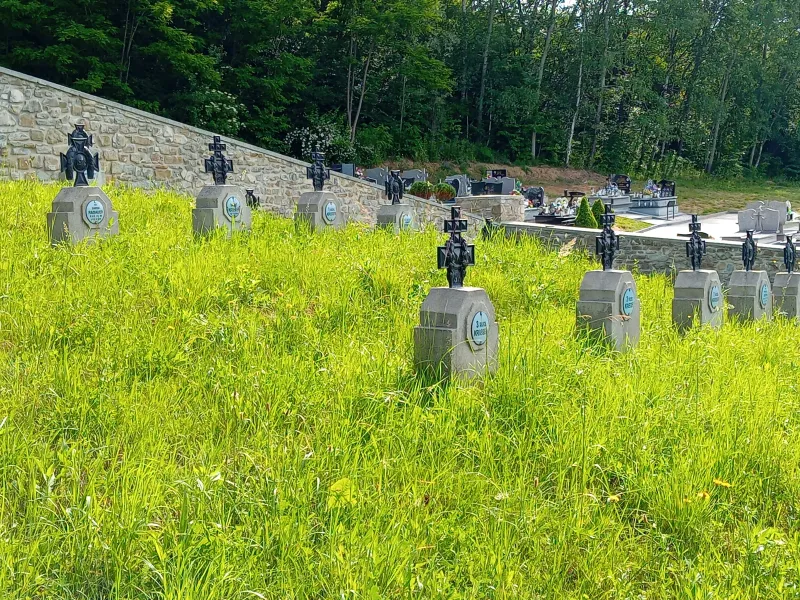
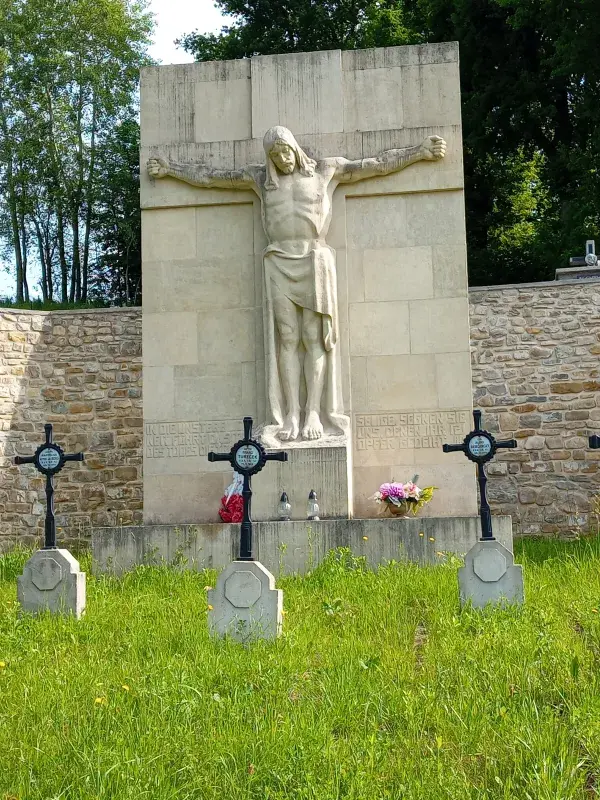
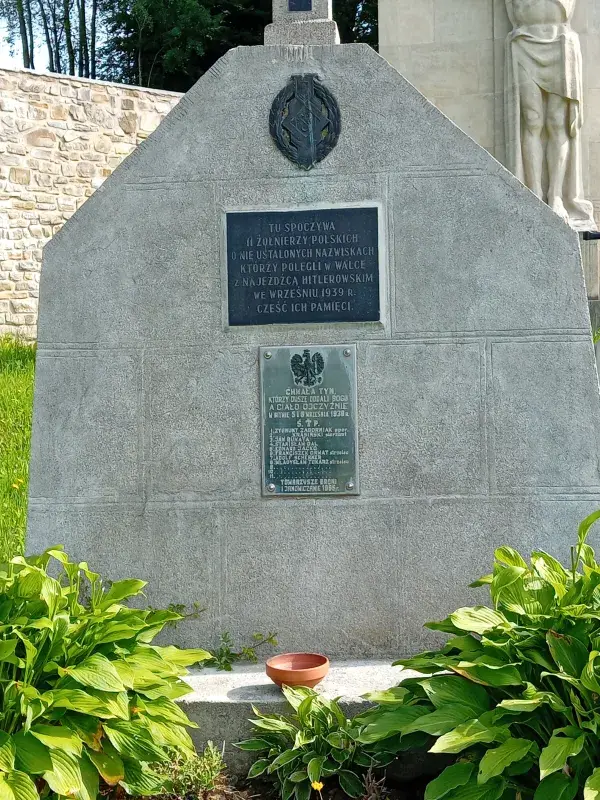
War Cemetery No. 190 in Janowice is a historic cemetery of Austro-Hungarian soldiers who fell between December 1914 and May 1915. It is surrounded by a stone wall with a wrought-iron fence at the front.
Above the cemetery stands a sandstone monument of the Crucified Christ. At its base are the inscriptions: "The gate of death leads the faithful to immortality" and "Blessed are those whose sacrifice gives life to others." The cemetery and monument were designed by H. K. Scholz in 1917.
Near the entrance there is also the grave of eleven soldiers of the 38th Lwów Rifle Regiment who fell in September 1939. For many years, the grave and the entire war cemetery were cared for by scouts and pupils of the Primary School in Janowice.
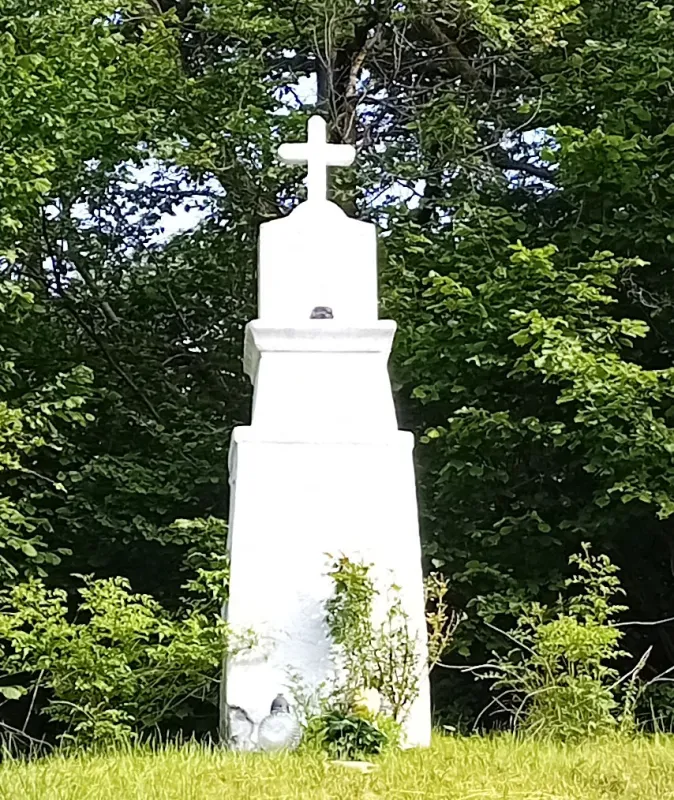
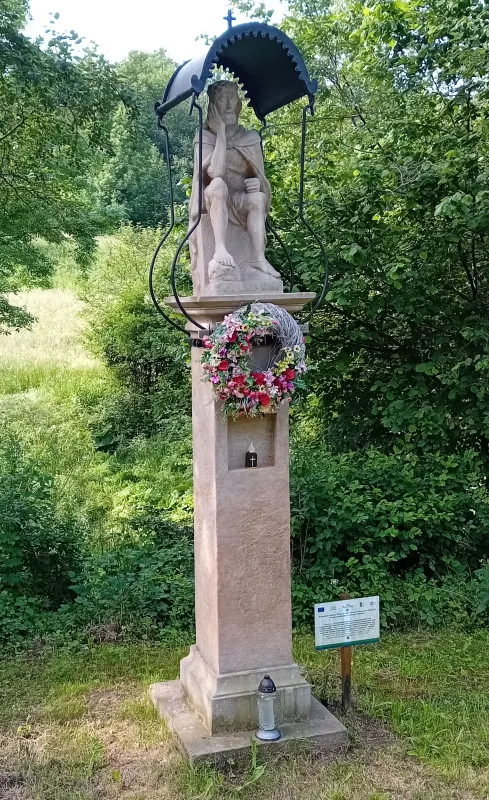
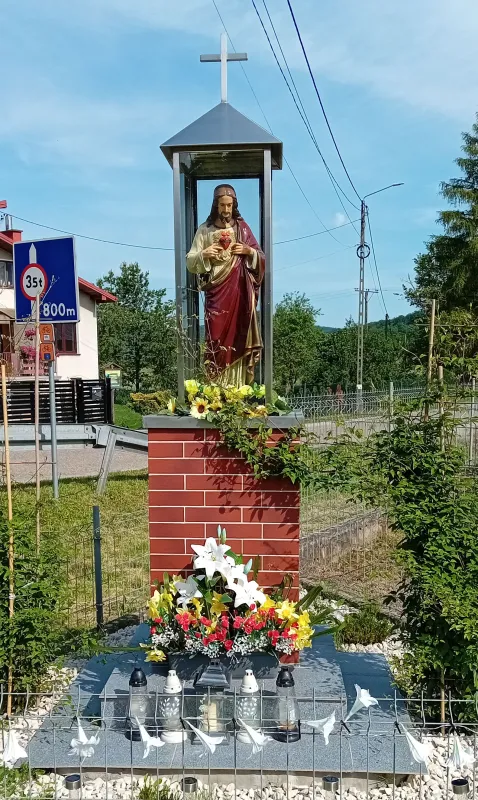
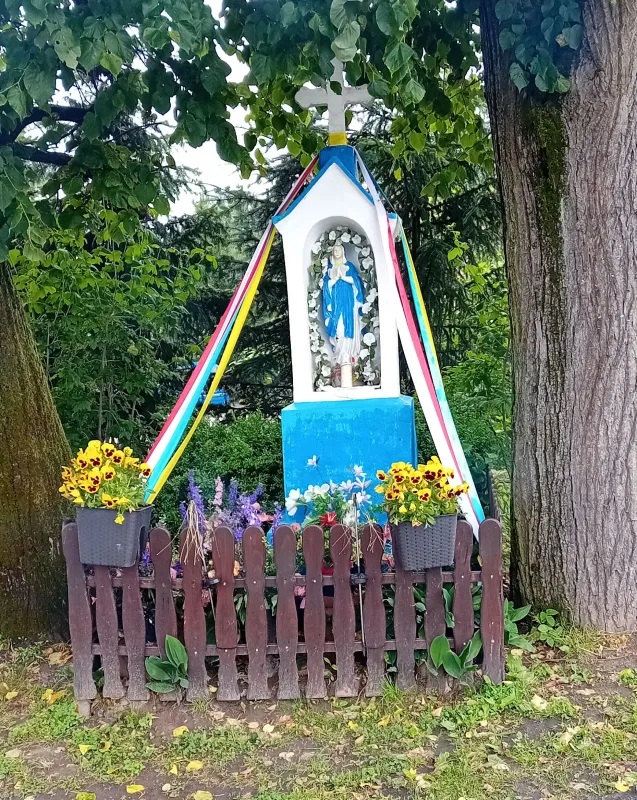
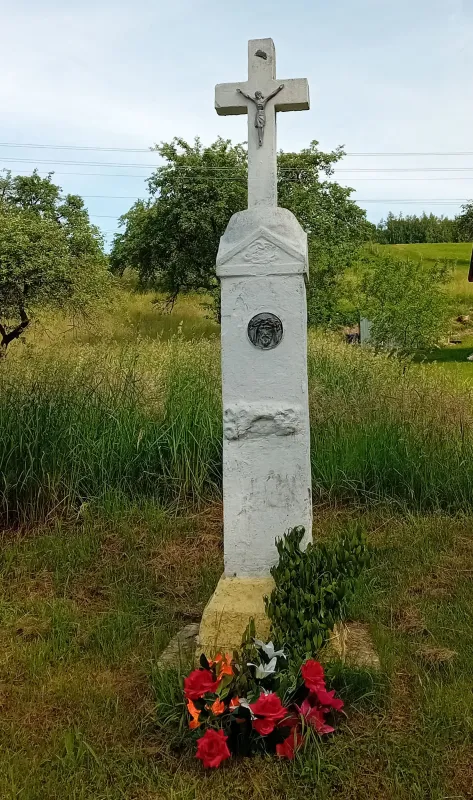
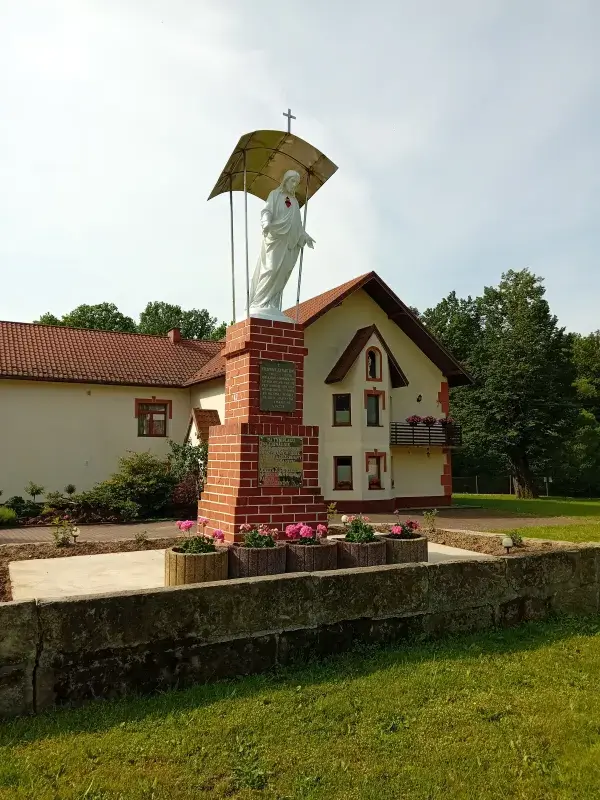
There are many historic roadside chapels and crosses in Janowice. They depict, among others, the Sorrowful Christ and the Virgin Mary. Some of them were funded as an expression of gratitude for received graces, for example for the birth of a long-awaited child.
The chapels were, and still can be, places of local prayer and meetings for residents. At some of them people gathered in the evenings in May to sing Marian hymns. In this way, small sacred architecture was not only a decoration of the landscape, but also part of the spiritual life of the village.
Crosses and chapels are scattered across different parts of Janowice. They mark old roads, hamlet boundaries and places especially important to families. They deserve separate photographic documentation, because many such objects preserve the memory of their founders, events and old customs.
The monuments of Janowice are not limited to buildings. Places of remembrance also include cemeteries, graves, plaques, old roads, fragments of former manor estates and objects that served residents for years. In the church, the memory of parishioners murdered during the occupation was preserved. At the war cemetery, the memory of soldiers from 1914-1915 and 1939 is maintained.
The value of this page should be not only to list these objects, but also to show that each of them is connected with specific people, events and changes in the village. The palace recalls the former manor estate, the church recalls the effort of residents, the cemeteries recall the victims of wars, and the chapels recall everyday religious life and family stories of the people of Janowice.